046 9293272
Open Mon - Fri

0 €0.00
products in your basketto quote Checkout
Ooops no items were found.
Try something else.
Ok
Loading…

What is the 20/8-2 rule for standing desks?

14 min

What is the 20/8-2 rule for standing desks?

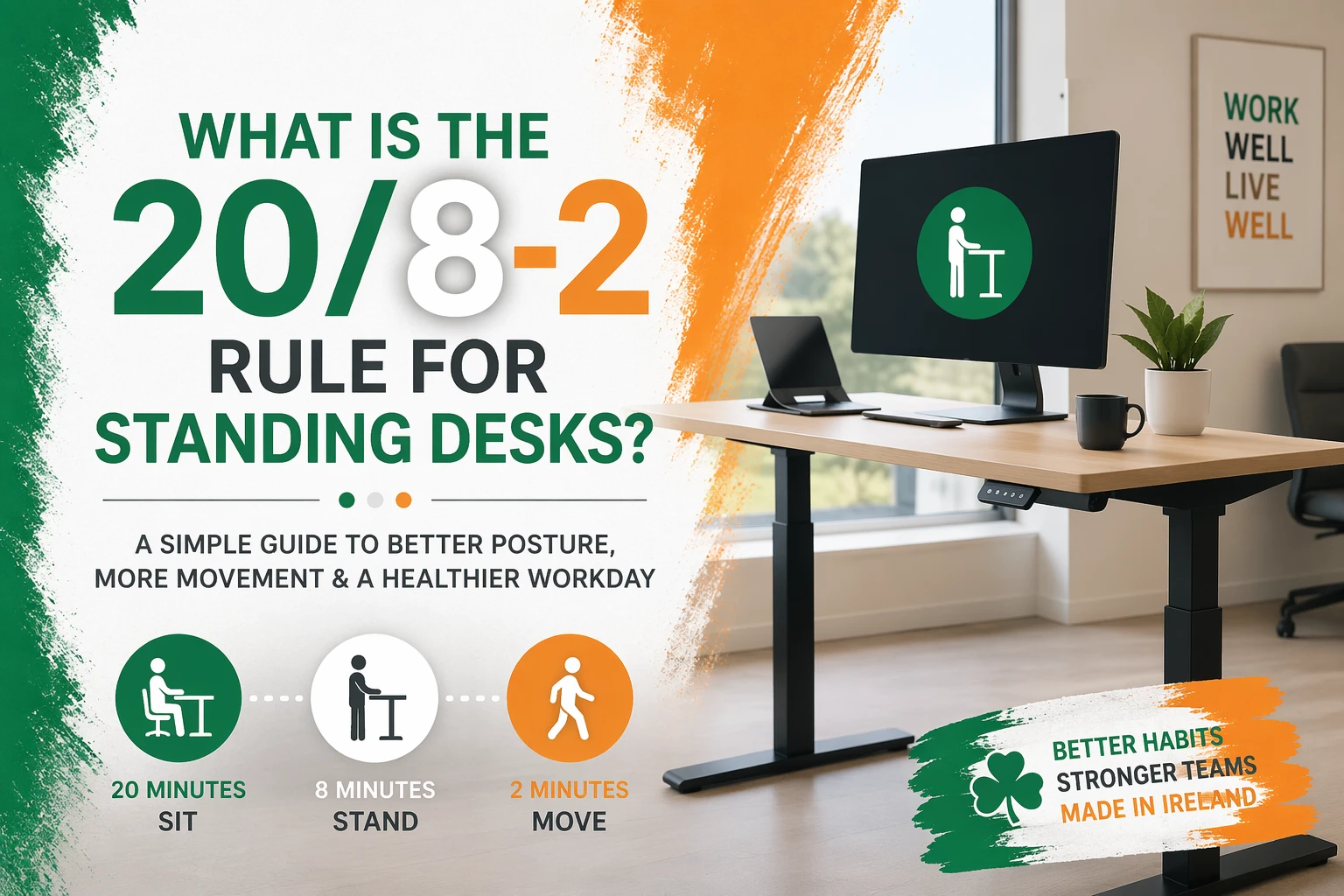
If you have been looking into ways to use a standing desk properly, you have probably come across the 20/8-2 rule. It sounds a bit technical at first, but the idea is refreshingly simple. In every half-an-hour of desk based work, aim to spend 20 minutes sitting, 8 minutes standing, and 2 minutes moving. That is all it means.

This approach has become popular because it feels realistic. It does not ask people to stand all day, throw out their office chair, or turn every work task into a fitness class. It simply encourages regular changes in posture and a little more movement across the day. For many people, that can make work feel more comfortable and more sustainable.

Key takeaways

  • The 20/8-2 rule means 20 minutes sitting, 8 minutes standing, and 2 minutes moving in each half-hour.
  • A standing desk helps you switch positions more easily through the day.
  • The rule is designed to reduce long periods of sitting, not replace sitting altogether.
  • Small changes in posture and movement can support comfort, focus, and energy levels.
  • Good desk setup matters as much as the time split itself.
  • The rule is a guide, not a strict commandment carved in office furniture.


Why the 20/8-2 rule matters

Many office workers spend most of the day in one position, usually seated, often slightly hunched, and occasionally wondering why their shoulders feel as if they have been carrying a piano. Prolonged sitting has become a growing concern in modern workplaces, especially as so many roles now revolve around screens, calls, admin, and digital tasks.

The reason the 20/8-2 rule stands out is that it offers a balanced answer. It does not suggest that sitting is bad and standing is good in every case - that would be too simplistic. The real issue is staying still for too long. The body tends to respond better when it gets regular variety.

For people using a standing desk, this rule provides a practical rhythm to follow. Rather than raising the desk once in the morning and hoping for the best, it creates a more thoughtful pattern. Sit for a while, stand for a while, then move briefly before settling back into the next cycle.

That pattern can help break up the sluggish feeling that often arrives during long stretches of desk work. It may also help people become more aware of posture, movement, and comfort before aches start creeping in.


Understanding what 20/8-2 actually means

At its core, the 20/8-2 rule is an hourly guideline. In every 30 minute period of desk based work:

20 minutes sitting

This is your seated working time. Sitting is not the villain of the story. In fact, an ergonomic office chair and proper seated posture still matter. Sitting can be the most comfortable option for focused tasks, typing, deep concentration, or anything that requires stability for longer periods.

The goal is not to avoid sitting entirely. It is to avoid doing it for hour after hour without a change.

8 minutes standing

This is the part most people associate with a standing desk. You raise the desk to a suitable height and continue working while upright. Standing can encourage a more open posture, help reduce the sense of being planted in a chair all day, and create a different physical feel while you work.

The key word here is moderate. 8 minutes is enough to add variety without turning the working day into an endurance test.

2 minutes moving

This final part is often overlooked, but it is arguably the most important. Movement could mean walking to the printer, stretching your legs, filling a water bottle, tidying your desk, or pacing for a quick call. It does not need to be dramatic. You do not need trainers, a whistle, or a personal best.

Those 2 minutes are there to stop both sitting and standing from becoming static.


Where the rule came from

The 20/8-2 rule is tied to workplace health guidance that aimed to tackle sedentary office habits in a practical way. Researchers and workplace wellbeing experts began exploring how employees could reduce long periods of sitting without disrupting the working day. The answer was not to remove chairs. It was to build more movement into desk based work.

That is why the rule has stuck. It is easy to understand, easy to remember, and realistic for ordinary workplaces. It gives people a structure without becoming overly rigid. You do not need to stare at a stopwatch and switch position on the dot every hour. The value lies in the general pattern.

In other words, it is less about perfect timing and more about avoiding long stretches of stillness.


How the 20/8-2 rule can support productivity

A sit/stand desk is often discussed in terms of posture and comfort, but productivity matters too. After all, nobody is rearranging their workspace purely for decorative drama. The real value comes when a better setup helps people feel sharper, more comfortable, and more able to stay focused through the day.

The 20/8-2 rule can support productivity because it encourages regular changes in position. That helps break up the sluggish feeling that can build during long stretches of desk work. Many people find that when they alternate between sitting, standing, and moving, they feel less stiff, less distracted by discomfort, and more alert.

Better movement can help concentration

Remaining in one position for too long can make even simple tasks feel heavier than they should. Focus tends to drift when the body starts feeling tired, cramped, or restless. Short changes in posture can act as a reset point, helping people return to their work with a clearer head.

That does not mean standing automatically makes everyone more productive every second of the day. The benefit usually comes from variety. Sitting may suit detailed admin or concentrated writing, while standing can feel better for lighter tasks, reading emails, or short calls.

Comfort often affects output more than people realise

When a workstation is uncomfortable, it creates friction through the day. A sore back, tight shoulders, or awkward screen position may seem minor at first, but they can chip away at focus over time. People often work better when they are not constantly shifting in their chair or wondering why their neck feels like it has taken early retirement.

The 20/8-2 rule encourages a more balanced routine, and that can make work feel more manageable. Better comfort often leads to better consistency, especially across a full working day.

Small movement breaks can help maintain energy

The 2 minute movement part of the rule is particularly useful. A short walk, a stretch, or even a trip to refill a water bottle can help prevent the afternoon slump from settling in too heavily. These small breaks do not interrupt work as much as people expect. In many cases, they help people return to the task with more energy than if they had stayed glued to the desk.

For busy offices, that is one reason a standing desk can be part of a more productive environment. It supports movement without making the working day feel disjointed.


How a standing desk supports the 20/8-2 rule

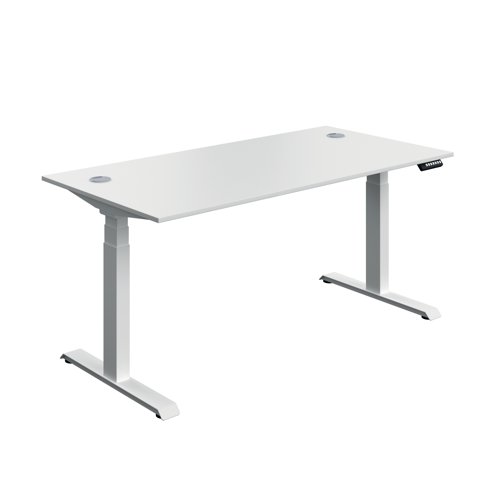
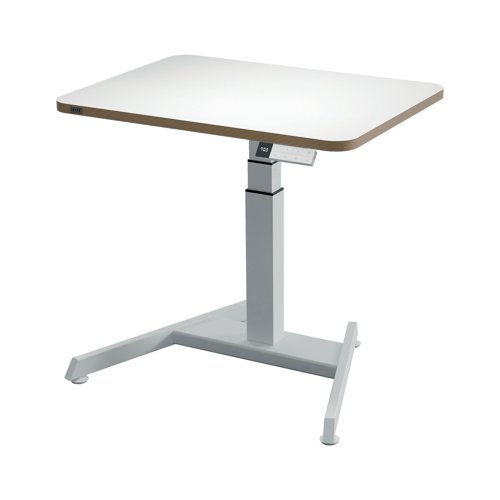
A standing desk is not a magic solution on its own, but it does make the 20/8-2 rule much easier to follow. Without an adjustable sit stand desk, changing from sitting to standing can be awkward, impractical, or impossible. With one, the switch becomes part of the normal workday.

That convenience matters more than people sometimes realise. If changing position takes too much effort, many people simply will not do it consistently. A desk that adjusts smoothly removes that friction.

There is also a psychological benefit. When you have the option to sit or stand, you become more aware of how long you have been in one position. That awareness often leads to better habits over time.


Other office furniture and supplies that can help

A standing desk can play a big part in following the 20/8-2 rule, but it is not the only item that matters. A good ergonomic setup usually works best when several pieces come together. The right furniture and office supplies can improve comfort, support posture, and make it easier to move naturally through the day.

An ergonomic chair still matters

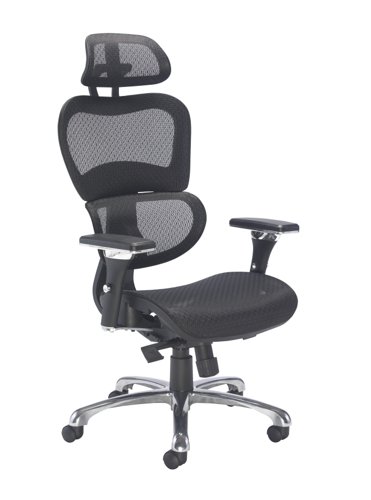
Even with a standing desk, sitting remains part of the routine. That means a supportive office chair is still important. A chair with proper back support, adjustable height, and a comfortable seat can make seated periods feel far better.

The goal is not to replace sitting altogether. It is to make sitting more supportive when you do it. A poor chair can undo a lot of the good work created by an adjustable desk.

Monitor arms and screen risers can improve posture

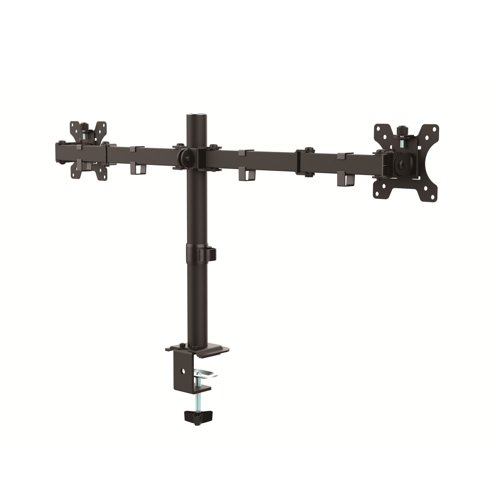
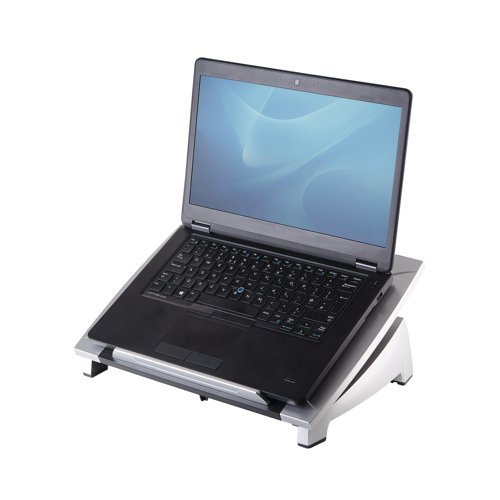
One of the easiest ways to strain your neck is by working with a screen that sits too low. Monitor arms and risers help bring the screen to a more suitable height, whether sitting or standing. That can reduce the urge to hunch forward and can help create a cleaner, more adaptable setup.

This is especially helpful for anyone using a laptop as their main screen. Without some adjustment, laptop use often encourages a less comfortable posture.

Keyboard and mouse setup can make a big difference

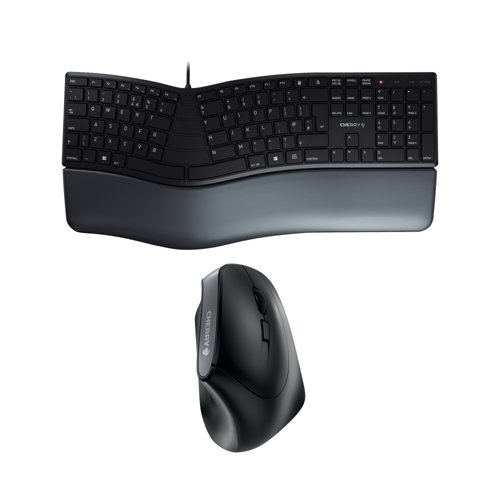
A separate keyboard and mouse can help create a better arm and wrist position, particularly when switching between sitting and standing. When these are placed correctly, they allow the shoulders to stay more relaxed and the wrists to remain in a more neutral position.

Small details like this are easy to overlook, but they often have a real effect on day to day comfort.

Footrests and anti fatigue mats add extra support

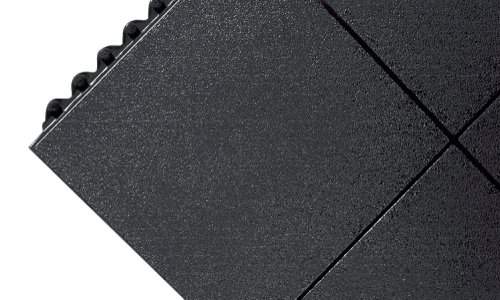
A footrest can be useful during seated periods, especially for people who struggle to keep their feet flat and supported. During standing periods, an anti fatigue mat can help reduce pressure on the feet and legs.

Neither of these items is dramatic or glamorous, which is probably why they do not get much attention. Still, they can quietly make the working day feel far more comfortable.

Storage and desk organisation can support better movement

Ergonomics is not only about posture. It is also about how easily you can use your workspace. Good desk organisation, sensible storage, and easy access to everyday items can all reduce awkward reaching, twisting, and clutter.

There is also a productivity benefit here. A tidy, well organised workspace tends to make it easier to concentrate and easier to move between tasks without unnecessary friction. Even simple items such as monitor stands, filing solutions, cable management, and document holders can help create a workspace that feels calmer and works better.

For businesses reviewing their setup, this is often where a broader office furniture approach helps. MGM Office Supplies offers a wide range of workplace essentials across Ireland, so businesses can look beyond the standing desk alone and create a more complete workstation that supports comfort, movement, and productivity in a practical way


Practical ways to follow the rule during a busy workday

The biggest challenge with the 20/8-2 rule is not understanding it. It is remembering to do it when the day gets busy. Meetings run over, emails pile up, and before you know it you have been sitting in the same spot for 2 hours.

That is why simple habits matter.

Use prompts and reminders

A timer on your phone or computer can help at first. Some people prefer calendar reminders, while others use smartwatch prompts. There is no need to overcomplicate it. A gentle nudge is often enough.

Match position changes to natural tasks

You could sit while writing detailed reports, stand while reading emails, and move while making a cup of tea or taking a quick call. Linking the rule to existing tasks can make it easier to stick with.

Build movement into the small moments

The 2 minute moving section does not need a formal routine. You might:

  • walk to speak to a colleague instead of messaging.
  • stretch your shoulders and back.
  • refill your water bottle.
  • take a short lap around the office.
  • tidy paperwork or collect printouts.

None of these actions are dramatic, but together they help break up static work.

Start gradually if needed

Not everyone finds standing comfortable from day 1. That is perfectly normal. If 8 minutes feels too much at first, build up gradually. The rule should support you, not punish you.


Common mistakes people make with a standing desk

It is easy to assume that once you have a standing desk, the hard part is done. In reality, a few common mistakes can make the experience less helpful.

Standing for too long

One of the biggest misunderstandings is the idea that more standing must always be better. It is not. Standing still for long periods can create its own discomfort, particularly in the feet, legs, and lower back. The value comes from changing position, not replacing one static posture with another.

Ignoring movement

Some people focus on the standing part and forget the moving part. That 2 minute movement break is what stops the routine becoming another version of stillness.

Keeping poor posture

A raised desk does not automatically fix posture. Leaning into the screen, hunching the shoulders, or placing the monitor too low can all cause strain.

Switching too suddenly

Trying to stand for huge chunks of the day right away can leave people tired or uncomfortable. A measured approach usually works better.


Is the 20/8-2 rule right for everyone?

The 20/8-2 rule is a useful guideline, but it is not a law of office life. Different roles, body types, preferences, and health needs all affect how people work best.

For some, the structure will feel ideal. For others, a slightly different rhythm may be more realistic. A person who spends much of the day on calls may naturally move more already. Someone doing concentrated design or admin work may prefer longer seated spells with regular standing breaks in between.

The key principle remains the same: avoid staying in one position for too long.

Listening to your body is part of using a standing desk well. If something feels strained, awkward, or overly tiring, it is worth adjusting the setup or timing. A more active workday should feel supportive, not like an office based survival challenge.


FAQs about the 20/8-2 rule and standing desks

How many hours a day should you stand at a standing desk?

There is no single perfect number. Many people aim to spread standing periods across the day rather than doing them all at once. The 20/8-2 rule helps break standing time into smaller, more manageable chunks.

Can you stand too much at a standing desk?

Yes. Standing for too long without moving can lead to discomfort in the feet, legs, and back. That is why balance matters. A standing desk works best when used to alternate positions, not to remove sitting entirely.

Do you need a standing desk to follow the 20/8-2 rule?

A standing desk makes the sitting and standing parts much easier, but the wider principle of moving regularly can still be followed without one. Even people using a standard desk can take short movement breaks and avoid staying seated for too long.

How quickly do people notice the benefits?

That varies. Some notice improved comfort and alertness within days. Others take longer as they adjust their routine and setup. Good habits tend to feel more natural with consistency.

What is the most important part of the 20/8-2 rule?

Many people assume it is the standing, but the real strength of the rule is variety. Sitting, standing, and moving all have a place. The combination is what makes it effective.


Final thoughts

The 20/8-2 rule gives people a sensible way to use a standing desk without going to extremes. It encourages more movement, more variety, and more awareness of how the body feels during the workday. That is a much more useful goal than trying to sit perfectly still or stand heroically from 9 to 5.

For most office workers, the benefit is not in chasing some flawless routine. It is in making small, repeatable changes that improve comfort over time. Sit for a while, stand for a while, move for a moment, then carry on. Simple often works best.

And in an office environment, that might be the rare kind of rule that people can actually live with.
What is the 20/8-2 rule for standing desks?

14 min

What is the 20/8-2 rule for standing desks?

If you have been looking into ways to use a standing desk properly, you have probably come across the 20/8-2 rule. It sounds a bit technical at first, but the idea is refreshingly simple. In every half-an-hour of desk based work, aim to spend 20 minutes sitting, 8 minutes standing, and 2 minutes moving. That is all it means.

This approach has become popular because it feels realistic. It does not ask people to stand all day, throw out their office chair, or turn every work task into a fitness class. It simply encourages regular changes in posture and a little more movement across the day. For many people, that can make work feel more comfortable and more sustainable.

Key takeaways

  • The 20/8-2 rule means 20 minutes sitting, 8 minutes standing, and 2 minutes moving in each half-hour.
  • A standing desk helps you switch positions more easily through the day.
  • The rule is designed to reduce long periods of sitting, not replace sitting altogether.
  • Small changes in posture and movement can support comfort, focus, and energy levels.
  • Good desk setup matters as much as the time split itself.
  • The rule is a guide, not a strict commandment carved in office furniture.


Why the 20/8-2 rule matters

Many office workers spend most of the day in one position, usually seated, often slightly hunched, and occasionally wondering why their shoulders feel as if they have been carrying a piano. Prolonged sitting has become a growing concern in modern workplaces, especially as so many roles now revolve around screens, calls, admin, and digital tasks.

The reason the 20/8-2 rule stands out is that it offers a balanced answer. It does not suggest that sitting is bad and standing is good in every case - that would be too simplistic. The real issue is staying still for too long. The body tends to respond better when it gets regular variety.

For people using a standing desk, this rule provides a practical rhythm to follow. Rather than raising the desk once in the morning and hoping for the best, it creates a more thoughtful pattern. Sit for a while, stand for a while, then move briefly before settling back into the next cycle.

That pattern can help break up the sluggish feeling that often arrives during long stretches of desk work. It may also help people become more aware of posture, movement, and comfort before aches start creeping in.


Understanding what 20/8-2 actually means

At its core, the 20/8-2 rule is an hourly guideline. In every 30 minute period of desk based work:

20 minutes sitting

This is your seated working time. Sitting is not the villain of the story. In fact, an ergonomic office chair and proper seated posture still matter. Sitting can be the most comfortable option for focused tasks, typing, deep concentration, or anything that requires stability for longer periods.

The goal is not to avoid sitting entirely. It is to avoid doing it for hour after hour without a change.

8 minutes standing

This is the part most people associate with a standing desk. You raise the desk to a suitable height and continue working while upright. Standing can encourage a more open posture, help reduce the sense of being planted in a chair all day, and create a different physical feel while you work.

The key word here is moderate. 8 minutes is enough to add variety without turning the working day into an endurance test.

2 minutes moving

This final part is often overlooked, but it is arguably the most important. Movement could mean walking to the printer, stretching your legs, filling a water bottle, tidying your desk, or pacing for a quick call. It does not need to be dramatic. You do not need trainers, a whistle, or a personal best.

Those 2 minutes are there to stop both sitting and standing from becoming static.


Where the rule came from

The 20/8-2 rule is tied to workplace health guidance that aimed to tackle sedentary office habits in a practical way. Researchers and workplace wellbeing experts began exploring how employees could reduce long periods of sitting without disrupting the working day. The answer was not to remove chairs. It was to build more movement into desk based work.

That is why the rule has stuck. It is easy to understand, easy to remember, and realistic for ordinary workplaces. It gives people a structure without becoming overly rigid. You do not need to stare at a stopwatch and switch position on the dot every hour. The value lies in the general pattern.

In other words, it is less about perfect timing and more about avoiding long stretches of stillness.


How the 20/8-2 rule can support productivity

A sit/stand desk is often discussed in terms of posture and comfort, but productivity matters too. After all, nobody is rearranging their workspace purely for decorative drama. The real value comes when a better setup helps people feel sharper, more comfortable, and more able to stay focused through the day.

The 20/8-2 rule can support productivity because it encourages regular changes in position. That helps break up the sluggish feeling that can build during long stretches of desk work. Many people find that when they alternate between sitting, standing, and moving, they feel less stiff, less distracted by discomfort, and more alert.

Better movement can help concentration

Remaining in one position for too long can make even simple tasks feel heavier than they should. Focus tends to drift when the body starts feeling tired, cramped, or restless. Short changes in posture can act as a reset point, helping people return to their work with a clearer head.

That does not mean standing automatically makes everyone more productive every second of the day. The benefit usually comes from variety. Sitting may suit detailed admin or concentrated writing, while standing can feel better for lighter tasks, reading emails, or short calls.

Comfort often affects output more than people realise

When a workstation is uncomfortable, it creates friction through the day. A sore back, tight shoulders, or awkward screen position may seem minor at first, but they can chip away at focus over time. People often work better when they are not constantly shifting in their chair or wondering why their neck feels like it has taken early retirement.

The 20/8-2 rule encourages a more balanced routine, and that can make work feel more manageable. Better comfort often leads to better consistency, especially across a full working day.

Small movement breaks can help maintain energy

The 2 minute movement part of the rule is particularly useful. A short walk, a stretch, or even a trip to refill a water bottle can help prevent the afternoon slump from settling in too heavily. These small breaks do not interrupt work as much as people expect. In many cases, they help people return to the task with more energy than if they had stayed glued to the desk.

For busy offices, that is one reason a standing desk can be part of a more productive environment. It supports movement without making the working day feel disjointed.


How a standing desk supports the 20/8-2 rule

A standing desk is not a magic solution on its own, but it does make the 20/8-2 rule much easier to follow. Without an adjustable sit stand desk, changing from sitting to standing can be awkward, impractical, or impossible. With one, the switch becomes part of the normal workday.

That convenience matters more than people sometimes realise. If changing position takes too much effort, many people simply will not do it consistently. A desk that adjusts smoothly removes that friction.

There is also a psychological benefit. When you have the option to sit or stand, you become more aware of how long you have been in one position. That awareness often leads to better habits over time.


Other office furniture and supplies that can help

A standing desk can play a big part in following the 20/8-2 rule, but it is not the only item that matters. A good ergonomic setup usually works best when several pieces come together. The right furniture and office supplies can improve comfort, support posture, and make it easier to move naturally through the day.

An ergonomic chair still matters

Even with a standing desk, sitting remains part of the routine. That means a supportive office chair is still important. A chair with proper back support, adjustable height, and a comfortable seat can make seated periods feel far better.

The goal is not to replace sitting altogether. It is to make sitting more supportive when you do it. A poor chair can undo a lot of the good work created by an adjustable desk.

Monitor arms and screen risers can improve posture

One of the easiest ways to strain your neck is by working with a screen that sits too low. Monitor arms and risers help bring the screen to a more suitable height, whether sitting or standing. That can reduce the urge to hunch forward and can help create a cleaner, more adaptable setup.

This is especially helpful for anyone using a laptop as their main screen. Without some adjustment, laptop use often encourages a less comfortable posture.

Keyboard and mouse setup can make a big difference

A separate keyboard and mouse can help create a better arm and wrist position, particularly when switching between sitting and standing. When these are placed correctly, they allow the shoulders to stay more relaxed and the wrists to remain in a more neutral position.

Small details like this are easy to overlook, but they often have a real effect on day to day comfort.

Footrests and anti fatigue mats add extra support

A footrest can be useful during seated periods, especially for people who struggle to keep their feet flat and supported. During standing periods, an anti fatigue mat can help reduce pressure on the feet and legs.

Neither of these items is dramatic or glamorous, which is probably why they do not get much attention. Still, they can quietly make the working day feel far more comfortable.

Storage and desk organisation can support better movement

Ergonomics is not only about posture. It is also about how easily you can use your workspace. Good desk organisation, sensible storage, and easy access to everyday items can all reduce awkward reaching, twisting, and clutter.

There is also a productivity benefit here. A tidy, well organised workspace tends to make it easier to concentrate and easier to move between tasks without unnecessary friction. Even simple items such as monitor stands, filing solutions, cable management, and document holders can help create a workspace that feels calmer and works better.

For businesses reviewing their setup, this is often where a broader office furniture approach helps. MGM Office Supplies offers a wide range of workplace essentials across Ireland, so businesses can look beyond the standing desk alone and create a more complete workstation that supports comfort, movement, and productivity in a practical way


Practical ways to follow the rule during a busy workday

The biggest challenge with the 20/8-2 rule is not understanding it. It is remembering to do it when the day gets busy. Meetings run over, emails pile up, and before you know it you have been sitting in the same spot for 2 hours.

That is why simple habits matter.

Use prompts and reminders

A timer on your phone or computer can help at first. Some people prefer calendar reminders, while others use smartwatch prompts. There is no need to overcomplicate it. A gentle nudge is often enough.

Match position changes to natural tasks

You could sit while writing detailed reports, stand while reading emails, and move while making a cup of tea or taking a quick call. Linking the rule to existing tasks can make it easier to stick with.

Build movement into the small moments

The 2 minute moving section does not need a formal routine. You might:

  • walk to speak to a colleague instead of messaging.
  • stretch your shoulders and back.
  • refill your water bottle.
  • take a short lap around the office.
  • tidy paperwork or collect printouts.

None of these actions are dramatic, but together they help break up static work.

Start gradually if needed

Not everyone finds standing comfortable from day 1. That is perfectly normal. If 8 minutes feels too much at first, build up gradually. The rule should support you, not punish you.


Common mistakes people make with a standing desk

It is easy to assume that once you have a standing desk, the hard part is done. In reality, a few common mistakes can make the experience less helpful.

Standing for too long

One of the biggest misunderstandings is the idea that more standing must always be better. It is not. Standing still for long periods can create its own discomfort, particularly in the feet, legs, and lower back. The value comes from changing position, not replacing one static posture with another.

Ignoring movement

Some people focus on the standing part and forget the moving part. That 2 minute movement break is what stops the routine becoming another version of stillness.

Keeping poor posture

A raised desk does not automatically fix posture. Leaning into the screen, hunching the shoulders, or placing the monitor too low can all cause strain.

Switching too suddenly

Trying to stand for huge chunks of the day right away can leave people tired or uncomfortable. A measured approach usually works better.


Is the 20/8-2 rule right for everyone?

The 20/8-2 rule is a useful guideline, but it is not a law of office life. Different roles, body types, preferences, and health needs all affect how people work best.

For some, the structure will feel ideal. For others, a slightly different rhythm may be more realistic. A person who spends much of the day on calls may naturally move more already. Someone doing concentrated design or admin work may prefer longer seated spells with regular standing breaks in between.

The key principle remains the same: avoid staying in one position for too long.

Listening to your body is part of using a standing desk well. If something feels strained, awkward, or overly tiring, it is worth adjusting the setup or timing. A more active workday should feel supportive, not like an office based survival challenge.


FAQs about the 20/8-2 rule and standing desks

How many hours a day should you stand at a standing desk?

There is no single perfect number. Many people aim to spread standing periods across the day rather than doing them all at once. The 20/8-2 rule helps break standing time into smaller, more manageable chunks.

Can you stand too much at a standing desk?

Yes. Standing for too long without moving can lead to discomfort in the feet, legs, and back. That is why balance matters. A standing desk works best when used to alternate positions, not to remove sitting entirely.

Do you need a standing desk to follow the 20/8-2 rule?

A standing desk makes the sitting and standing parts much easier, but the wider principle of moving regularly can still be followed without one. Even people using a standard desk can take short movement breaks and avoid staying seated for too long.

How quickly do people notice the benefits?

That varies. Some notice improved comfort and alertness within days. Others take longer as they adjust their routine and setup. Good habits tend to feel more natural with consistency.

What is the most important part of the 20/8-2 rule?

Many people assume it is the standing, but the real strength of the rule is variety. Sitting, standing, and moving all have a place. The combination is what makes it effective.


Final thoughts

The 20/8-2 rule gives people a sensible way to use a standing desk without going to extremes. It encourages more movement, more variety, and more awareness of how the body feels during the workday. That is a much more useful goal than trying to sit perfectly still or stand heroically from 9 to 5.

For most office workers, the benefit is not in chasing some flawless routine. It is in making small, repeatable changes that improve comfort over time. Sit for a while, stand for a while, move for a moment, then carry on. Simple often works best.

And in an office environment, that might be the rare kind of rule that people can actually live with.

15 products found
Sort by
Fellowes Office Suites Laptop Stand Black/Grey 8032006
Chachi Ergonomic Office Chair Black
Office Rectangular Dual Motor Sit Stand Desk  1200X800 Beech/Black
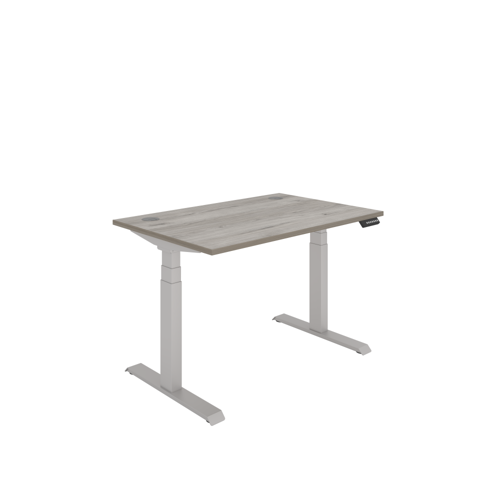
Office Rectangular Dual Motor Sit Stand Desk  1200X800 Grey Oak/Silver
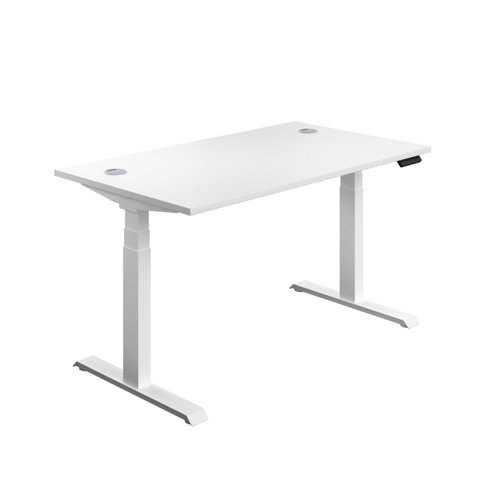
Economy Sit Stand Desk  1200 X 800 White/White
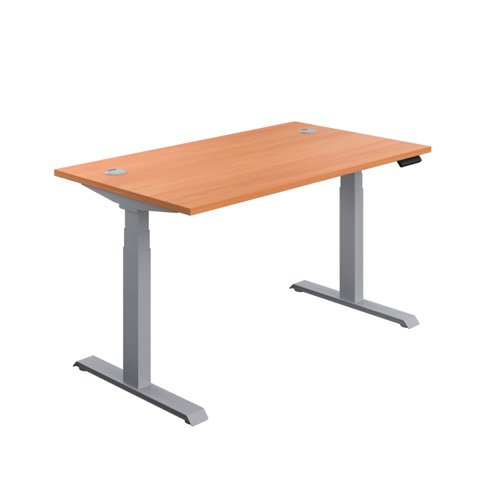
Economy Sit Stand Desk  1400 X 800 Beech/Silver
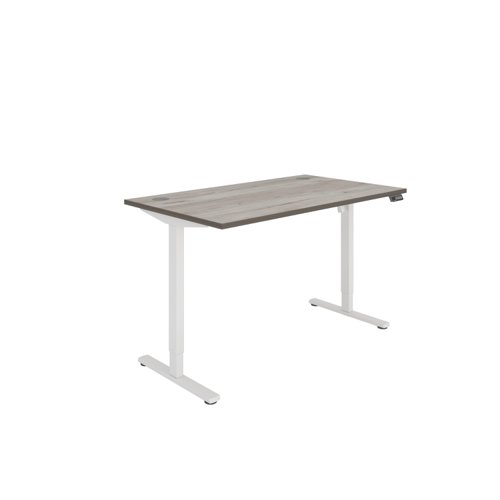
Astin Economy Single Motor Sit/Stand Desk 1400x800x705-1220mm Alaskan Grey Oak/White KF800017
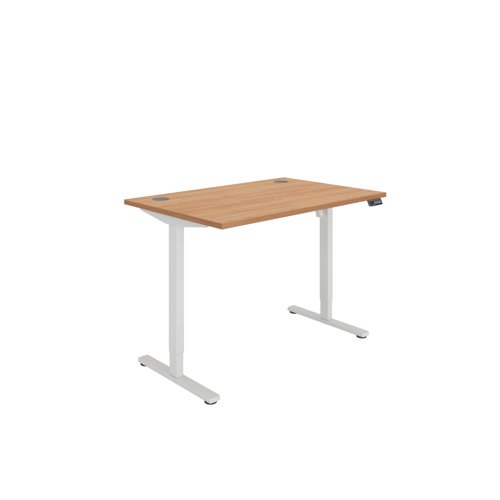
Polaris Single Motor Sit/Stand Desk 1200x800 Beech/White KF800080
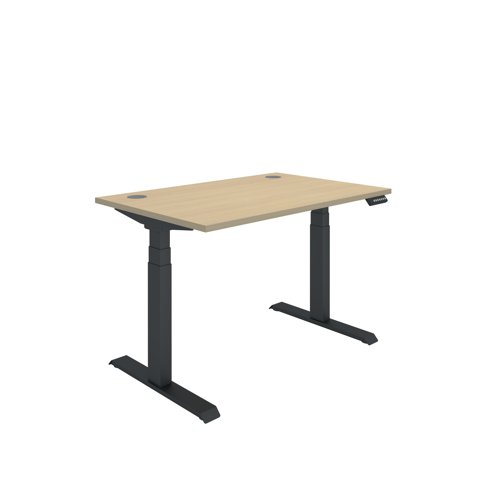
Polaris Dual Motor Sit/Stand Desk 1200x800 Oak/Black KF800103
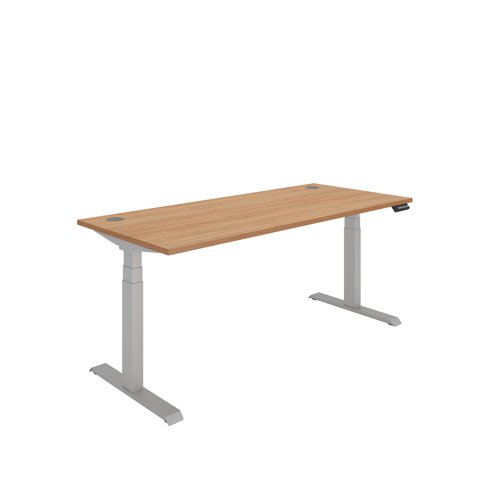
Polaris Dual Motor Sit/Stand Desk 1800x800 Beech/Silver KF800135
Core Desktop Monitor Arm Double Black
All-Purpose Anti-Fatigue Modular Mat Solid Surface Black 312413
Cherry Ergonomic Wireless Keyboard and RH Mouse Bundle CH810003
Serrion Dual Motor Sit/Stand Desk 1600x800x630-1290mm White/White KF800346
Leitz Ergo Electric Sit/Stand Desk + Stand Up Reminder Small 800x600x25mm 65341001
Total 15 products
SEARCH ×