046 9293272
Open Mon - Fri

0 €0.00
products in your basketto quote Checkout
Ooops no items were found.
Try something else.
Ok
Loading…

What are the best storage options for a small office?

6 min
Office Filing Cabinets Ireland Office Filing Cabinets Ireland

Finding the right storage options for a small office can feel like a constant balancing act. Space is limited, yet paperwork, supplies, and equipment still need a proper home. Without a clear approach, clutter builds quickly and the office can begin to feel cramped and distracting. This is where well-chosen office filing cabinets and thoughtful storage solutions make a real difference.

A small office does not need more furniture. It needs smarter furniture. With the right combination of office filing cabinets, vertical storage, and multi-functional pieces, even compact workspaces can feel organised, calm, and efficient.

Understanding storage challenges in a small office

Small offices highlight storage problems faster than larger spaces. Every item is more visible, and poor storage decisions affect how the entire office functions.

Why space planning matters more in smaller workplaces

In a small office, storage directly affects productivity. Cabinets that block walkways or desks pushed too close together can make the space uncomfortable to work in. Careful planning ensures storage supports daily tasks rather than getting in the way.

Good space planning also improves the overall feel of the office. Clear sight lines, tidy surfaces, and well-placed storage create a sense of order that benefits staff and visitors alike.

Common mistakes that lead to clutter and inefficiency

Many small offices fall into the trap of adding storage only when space runs out. Over time, this leads to mismatched furniture and inefficient layouts. Another common issue is keeping paperwork that no longer serves a purpose.

Typical causes of clutter include:

  • Storing documents without clear retention rules
  • Relying too heavily on desk level storage
  • Using cabinets that are too large for the space
  • Lacking a shared filing system

Addressing these issues early prevents storage problems from becoming permanent.

Choosing the right office filing cabinets

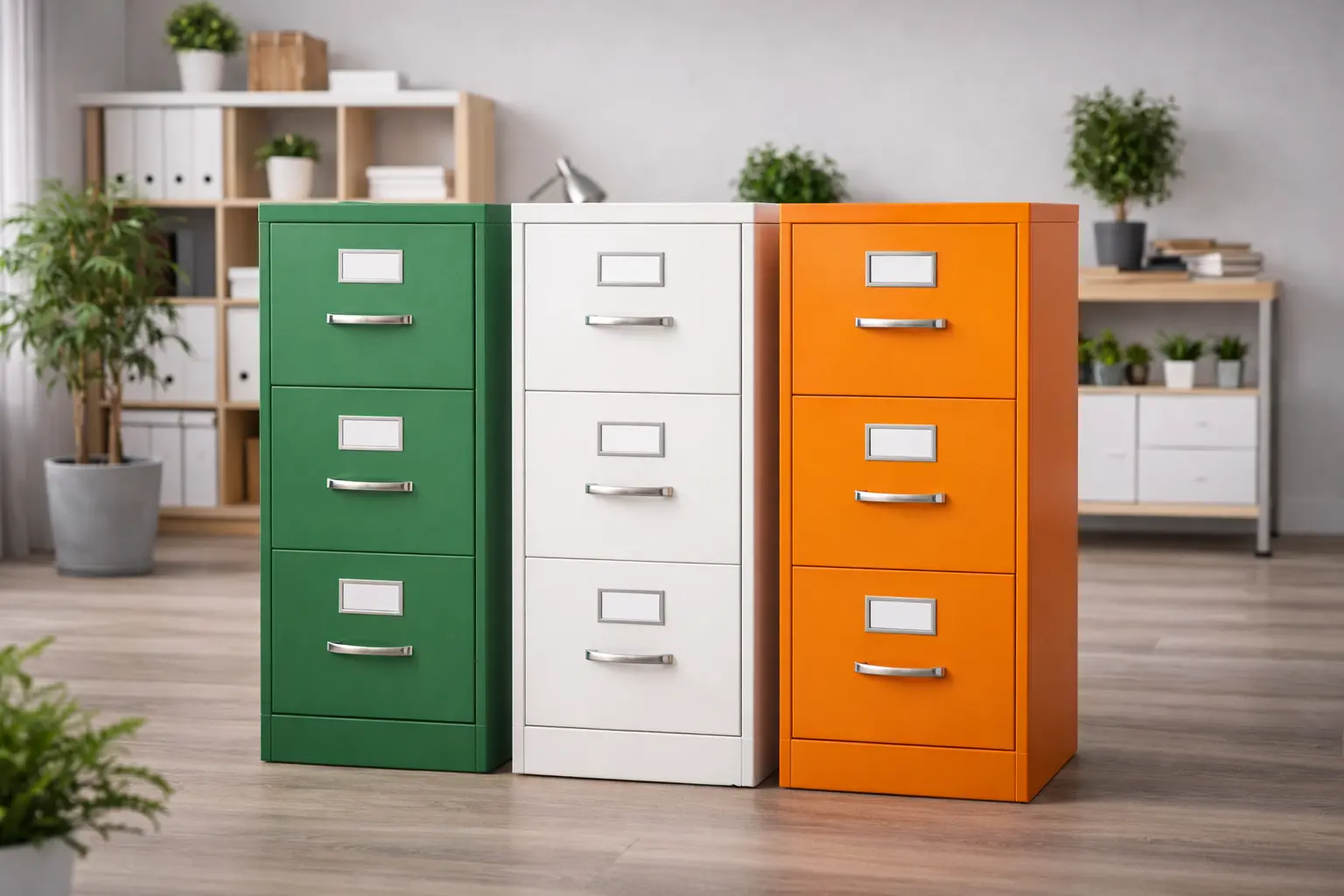
For most small offices, office filing cabinets remain essential. The key is selecting cabinets that suit both the available space and how documents are accessed.

Vertical vs lateral filing cabinets

Vertical filing cabinets are ideal where floor space is limited. Their narrow footprint makes them easy to place beside desks or in corners. They work particularly well in offices with good ceiling height.

Lateral filing cabinets take up more wall space but offer wider drawers. This makes browsing files easier and allows the cabinet top to be used for shared equipment such as printers.

A simple way to decide is to consider how files are used day to day and where wall space is available.

Lockable filing cabinets for security and compliance

Small offices still handle sensitive information. Lockable filing cabinets provide a practical way to protect documents such as contracts, staff records, and financial paperwork.

Having at least one secure cabinet supports good data protection habits and avoids the need for separate locked rooms or cupboards.

Mobile filing cabinets for flexible layouts

Mobile filing cabinets are a popular choice in modern small offices. These compact units often sit neatly under desks and can be moved easily when layouts change.

They are particularly useful for:

  • Shared workspaces
  • Hybrid working environments
  • Temporary project teams

Because space is limited, mobile cabinets also encourage staff to store only what they genuinely need.

Making the most of wall and vertical storage

When floor space is restricted, walls become one of the most valuable storage assets in a small office.

Shelving units that do not overwhelm the room

Open shelving can work well when used sparingly. Slim shelves placed above desks or along unused walls provide storage without making the room feel crowded.

To keep shelves looking professional:

  • Use matching folders or storage boxes
  • Avoid overfilling shelves
  • Keep frequently used items within easy reach

Open shelving works best for reference materials rather than large volumes of paperwork.

Wall mounted storage for documents and supplies

Wall mounted cupboards and organisers help keep floors clear and walkways open. They are ideal for stationery, shared documents, and office supplies that need to be accessed regularly.

In very small offices, wall mounted storage can reduce the need for additional floor standing cabinets altogether.

Multi-functional furniture with built in storage

In a small office, furniture often needs to do more than one job. Multi-functional pieces help reduce clutter while improving usability.

Desks with integrated drawers and pedestals

Desks with built in drawers or pedestals provide convenient storage for everyday items. This keeps work surfaces clear and reduces the need for separate cabinets.

Integrated storage is especially effective for individual workstations, where personal items and paperwork need to stay close at hand.

Storage benches and cupboards for shared spaces

Meeting corners, reception areas, and breakout spaces benefit from furniture that combines storage with seating or display space. Storage benches and cupboards keep shared areas tidy while serving a practical purpose.
These solutions work well in offices that need to adapt throughout the day.

Organising paperwork to reduce storage needs

Even the best storage will struggle if paperwork is poorly managed. Reducing the volume of paper is often the most effective way to improve a small office.

Deciding what must be kept physically

Not all documents need to be stored in paper form. Reviewing legal and operational requirements helps identify what must be kept and what can be digitised.

Many offices find they are storing outdated paperwork that no longer has any value. Removing these documents frees up space and reduces pressure on filing cabinets.

Using folders, dividers, and labels effectively

A clear filing system makes better use of existing storage. Simple, consistent labelling and logical categories help staff file documents correctly and retrieve them quickly.
Effective filing systems typically include:

  • Clear labels that are easy to read
  • Consistent folder colours or styles
  • Logical grouping of documents

Simple systems are more likely to be maintained over time.

Storage solutions that grow with your office

Small offices often change quickly. Storage should be flexible enough to adapt without major disruption.

Modular storage systems for changing teams

Modular storage allows units to be added or rearranged as needs evolve. This makes it easier to accommodate new staff, changing workflows, or updated layouts.

Modular systems also help maintain a consistent appearance as the office grows.

Planning ahead to avoid future space issues

Thinking ahead prevents costly replacements later. Choosing stackable or expandable storage makes it easier to adapt as storage needs increase.

Many businesses work with suppliers such as MGM Office Supplies to select storage that suits both current requirements and future growth, helping small offices make better long term decisions.

Frequently asked questions about small office storage

How many filing cabinets does a small office usually need?

Most small offices manage well with one or two office filing cabinets when paperwork is organised and digital storage is used where possible.

Are vertical filing cabinets better for small spaces?

Vertical cabinets are often better for tight spaces because they take up less floor area and fit neatly into corners.

Is it better to store files under desks or in shared cabinets?

Personal or frequently used documents work well under desks, while shared or archived files are often better stored centrally.

Do small offices still need paper filing systems?

Many still need paper storage for compliance or operational reasons but reducing paper wherever possible makes storage easier to manage.

What is the best way to store confidential documents?

Confidential documents should always be kept in lockable filing cabinets to protect sensitive information.

Can open shelving work in a professional office?

Yes, if it is kept tidy and used for appropriate items such as reference materials.

How can a small office avoid running out of storage space?

Regular reviews of paperwork, flexible storage solutions, and planning for growth all help prevent future issues.

Should storage match office furniture exactly?

Storage does not need to match perfectly, but consistent finishes help create a more cohesive and professional look.
 

What are the best storage options for a small office?

6 min
Office Filing Cabinets Ireland Office Filing Cabinets Ireland

Finding the right storage options for a small office can feel like a constant balancing act. Space is limited, yet paperwork, supplies, and equipment still need a proper home. Without a clear approach, clutter builds quickly and the office can begin to feel cramped and distracting. This is where well-chosen office filing cabinets and thoughtful storage solutions make a real difference.

A small office does not need more furniture. It needs smarter furniture. With the right combination of office filing cabinets, vertical storage, and multi-functional pieces, even compact workspaces can feel organised, calm, and efficient.

Understanding storage challenges in a small office

Small offices highlight storage problems faster than larger spaces. Every item is more visible, and poor storage decisions affect how the entire office functions.

Why space planning matters more in smaller workplaces

In a small office, storage directly affects productivity. Cabinets that block walkways or desks pushed too close together can make the space uncomfortable to work in. Careful planning ensures storage supports daily tasks rather than getting in the way.

Good space planning also improves the overall feel of the office. Clear sight lines, tidy surfaces, and well-placed storage create a sense of order that benefits staff and visitors alike.

Common mistakes that lead to clutter and inefficiency

Many small offices fall into the trap of adding storage only when space runs out. Over time, this leads to mismatched furniture and inefficient layouts. Another common issue is keeping paperwork that no longer serves a purpose.

Typical causes of clutter include:

  • Storing documents without clear retention rules
  • Relying too heavily on desk level storage
  • Using cabinets that are too large for the space
  • Lacking a shared filing system

Addressing these issues early prevents storage problems from becoming permanent.

Choosing the right office filing cabinets

For most small offices, office filing cabinets remain essential. The key is selecting cabinets that suit both the available space and how documents are accessed.

Vertical vs lateral filing cabinets

Vertical filing cabinets are ideal where floor space is limited. Their narrow footprint makes them easy to place beside desks or in corners. They work particularly well in offices with good ceiling height.

Lateral filing cabinets take up more wall space but offer wider drawers. This makes browsing files easier and allows the cabinet top to be used for shared equipment such as printers.

A simple way to decide is to consider how files are used day to day and where wall space is available.

Lockable filing cabinets for security and compliance

Small offices still handle sensitive information. Lockable filing cabinets provide a practical way to protect documents such as contracts, staff records, and financial paperwork.

Having at least one secure cabinet supports good data protection habits and avoids the need for separate locked rooms or cupboards.

Mobile filing cabinets for flexible layouts

Mobile filing cabinets are a popular choice in modern small offices. These compact units often sit neatly under desks and can be moved easily when layouts change.

They are particularly useful for:

  • Shared workspaces
  • Hybrid working environments
  • Temporary project teams

Because space is limited, mobile cabinets also encourage staff to store only what they genuinely need.

Making the most of wall and vertical storage

When floor space is restricted, walls become one of the most valuable storage assets in a small office.

Shelving units that do not overwhelm the room

Open shelving can work well when used sparingly. Slim shelves placed above desks or along unused walls provide storage without making the room feel crowded.

To keep shelves looking professional:

  • Use matching folders or storage boxes
  • Avoid overfilling shelves
  • Keep frequently used items within easy reach

Open shelving works best for reference materials rather than large volumes of paperwork.

Wall mounted storage for documents and supplies

Wall mounted cupboards and organisers help keep floors clear and walkways open. They are ideal for stationery, shared documents, and office supplies that need to be accessed regularly.

In very small offices, wall mounted storage can reduce the need for additional floor standing cabinets altogether.

Multi-functional furniture with built in storage

In a small office, furniture often needs to do more than one job. Multi-functional pieces help reduce clutter while improving usability.

Desks with integrated drawers and pedestals

Desks with built in drawers or pedestals provide convenient storage for everyday items. This keeps work surfaces clear and reduces the need for separate cabinets.

Integrated storage is especially effective for individual workstations, where personal items and paperwork need to stay close at hand.

Storage benches and cupboards for shared spaces

Meeting corners, reception areas, and breakout spaces benefit from furniture that combines storage with seating or display space. Storage benches and cupboards keep shared areas tidy while serving a practical purpose.
These solutions work well in offices that need to adapt throughout the day.

Organising paperwork to reduce storage needs

Even the best storage will struggle if paperwork is poorly managed. Reducing the volume of paper is often the most effective way to improve a small office.

Deciding what must be kept physically

Not all documents need to be stored in paper form. Reviewing legal and operational requirements helps identify what must be kept and what can be digitised.

Many offices find they are storing outdated paperwork that no longer has any value. Removing these documents frees up space and reduces pressure on filing cabinets.

Using folders, dividers, and labels effectively

A clear filing system makes better use of existing storage. Simple, consistent labelling and logical categories help staff file documents correctly and retrieve them quickly.
Effective filing systems typically include:

  • Clear labels that are easy to read
  • Consistent folder colours or styles
  • Logical grouping of documents

Simple systems are more likely to be maintained over time.

Storage solutions that grow with your office

Small offices often change quickly. Storage should be flexible enough to adapt without major disruption.

Modular storage systems for changing teams

Modular storage allows units to be added or rearranged as needs evolve. This makes it easier to accommodate new staff, changing workflows, or updated layouts.

Modular systems also help maintain a consistent appearance as the office grows.

Planning ahead to avoid future space issues

Thinking ahead prevents costly replacements later. Choosing stackable or expandable storage makes it easier to adapt as storage needs increase.

Many businesses work with suppliers such as MGM Office Supplies to select storage that suits both current requirements and future growth, helping small offices make better long term decisions.

Frequently asked questions about small office storage

How many filing cabinets does a small office usually need?

Most small offices manage well with one or two office filing cabinets when paperwork is organised and digital storage is used where possible.

Are vertical filing cabinets better for small spaces?

Vertical cabinets are often better for tight spaces because they take up less floor area and fit neatly into corners.

Is it better to store files under desks or in shared cabinets?

Personal or frequently used documents work well under desks, while shared or archived files are often better stored centrally.

Do small offices still need paper filing systems?

Many still need paper storage for compliance or operational reasons but reducing paper wherever possible makes storage easier to manage.

What is the best way to store confidential documents?

Confidential documents should always be kept in lockable filing cabinets to protect sensitive information.

Can open shelving work in a professional office?

Yes, if it is kept tidy and used for appropriate items such as reference materials.

How can a small office avoid running out of storage space?

Regular reviews of paperwork, flexible storage solutions, and planning for growth all help prevent future issues.

Should storage match office furniture exactly?

Storage does not need to match perfectly, but consistent finishes help create a more cohesive and professional look.
 

8 products found
Sort by
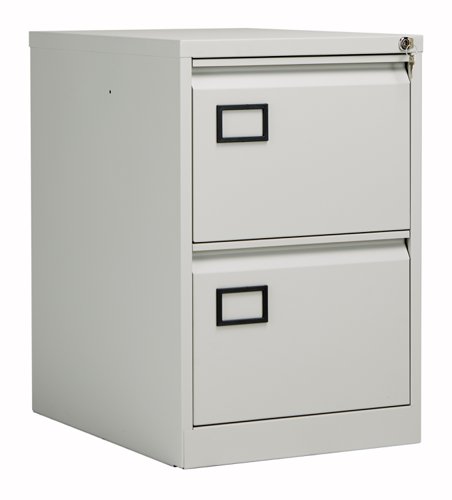
Bisley 2 Drawer Contract Steel Filing Cabinet Goose Grey
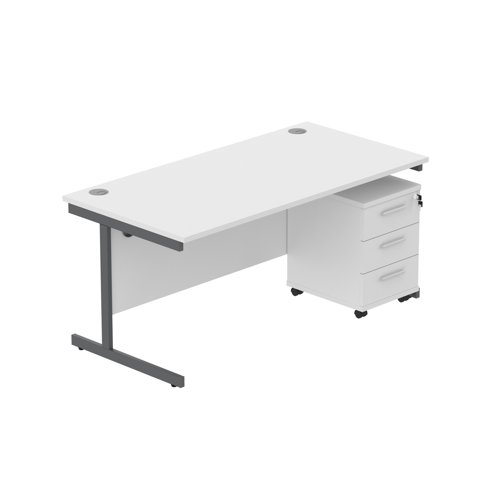
Single Upright Rectangular Desk + 3 Drawer Mobile Under Desk Pedestal (FSC) 1600 X 800 Arctic White/Graphite
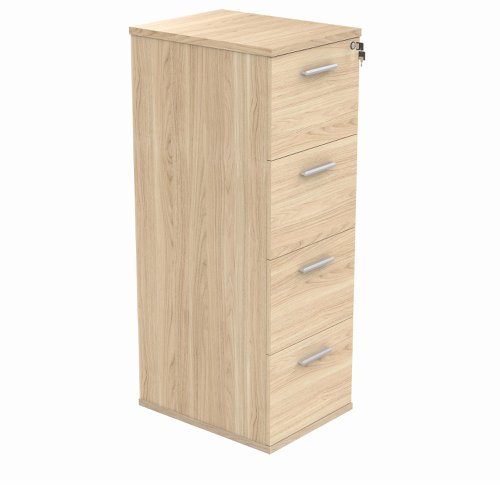
Astin 4 Drawer Filing Cabinet 540x600x1358mm Canadian Oak KF70014
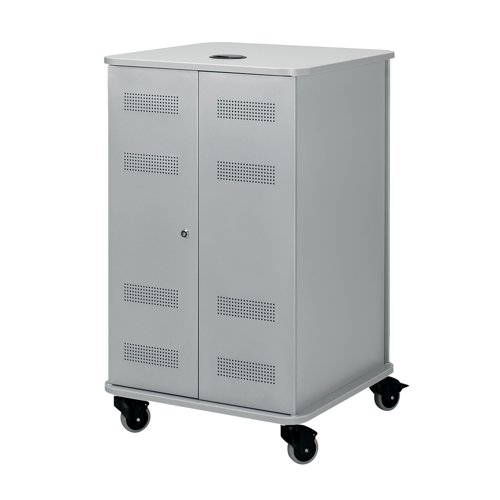
Nobo Multimedia Projection Cabinet 1902339
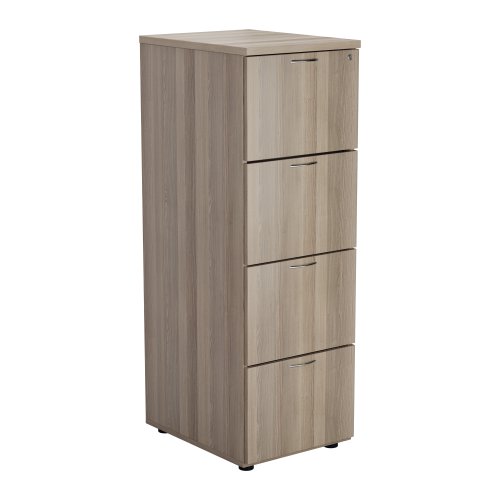
Essentials Filing Cabinet 4 Drawer (FSC) Grey Oak
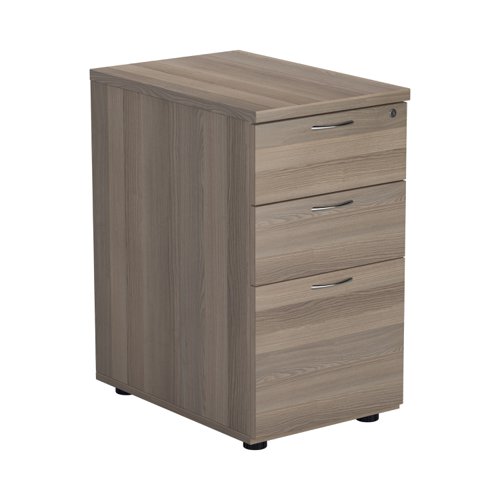
Essentials Desk High 3 Drawer Pedestal (FSC) 600 Deep Grey Oak
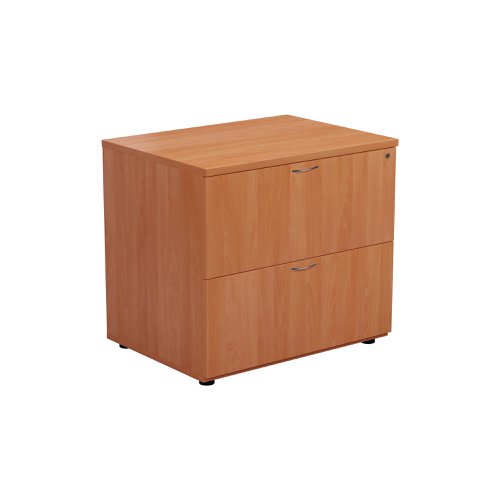
Heavy Duty 2 Drawer Side Filer (FSC) Beech
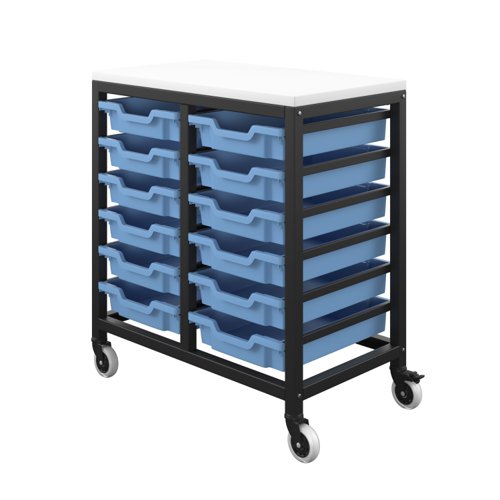
Titan Storage Unit with Tray Drawers 12 Shallow Drawers (F1) Blue/Black
Total 8 products
SEARCH ×