Favourites
 Fast Order
 Quick Lists


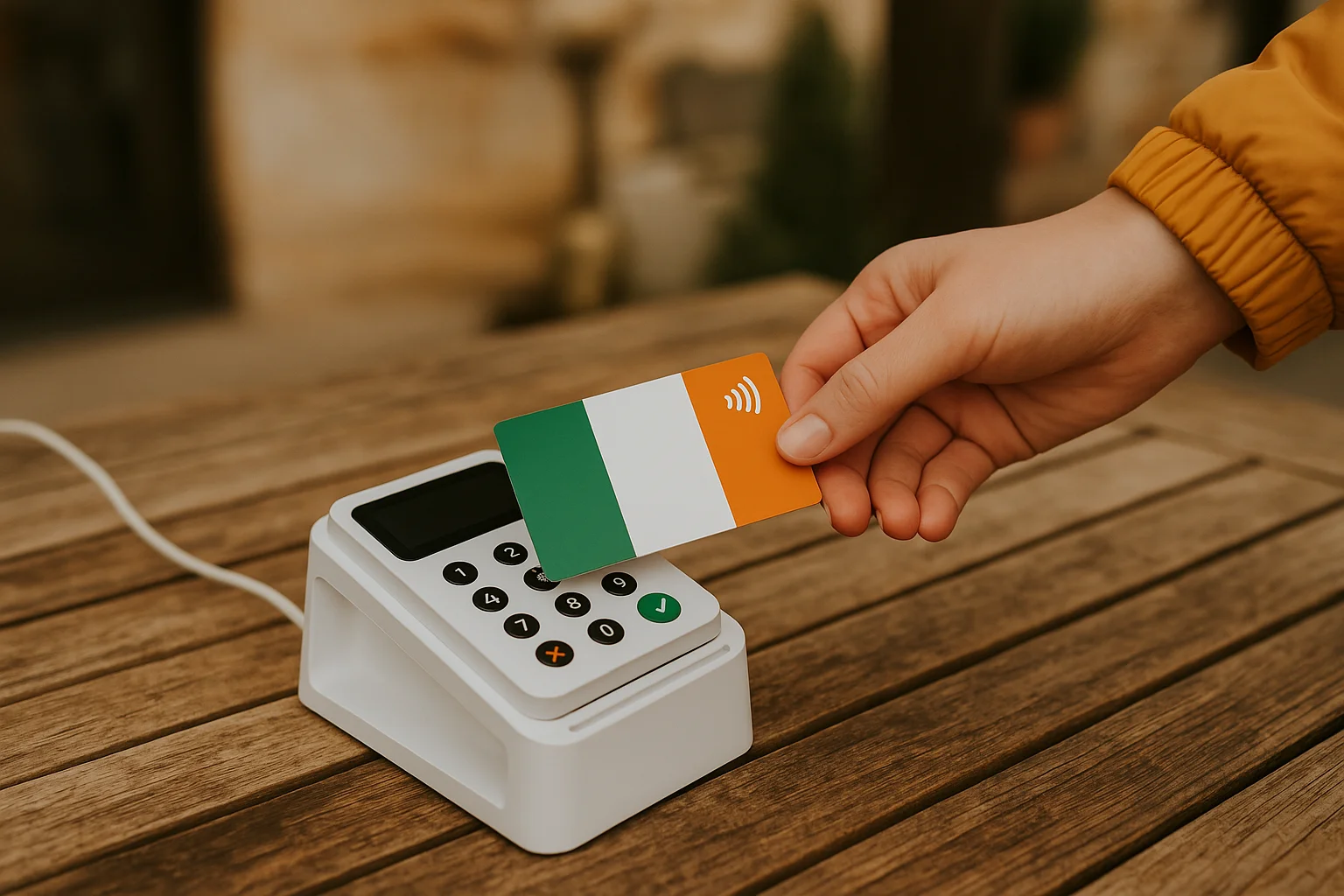
When people think of a cash register, they often picture the bulky tills of years gone by. In reality, the modern checkout looks very different. These days, most businesses piece together a flexible system - a card terminal for digital payments, a drawer for notes and coins, and a few tools in the background to keep everything accurate.
How Today's Registers Work
Instead of one big machine, most setups are a mix of:
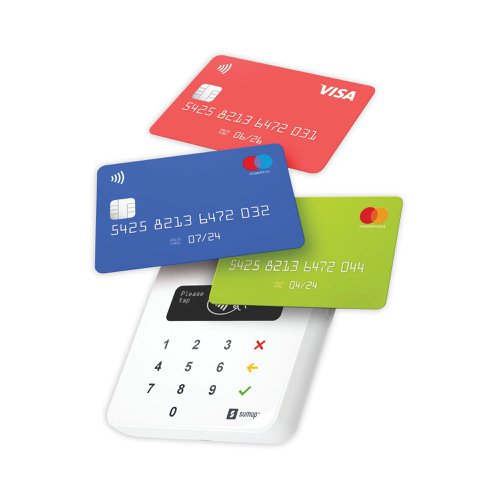
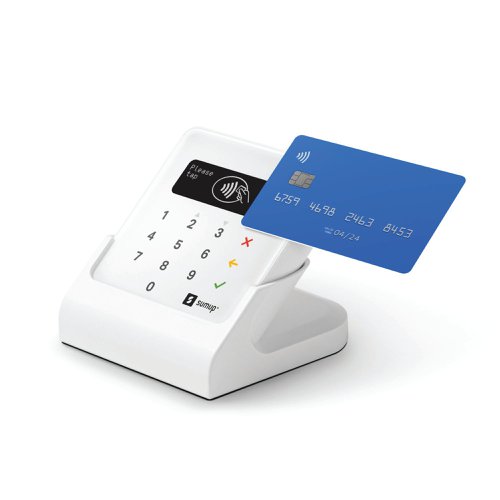
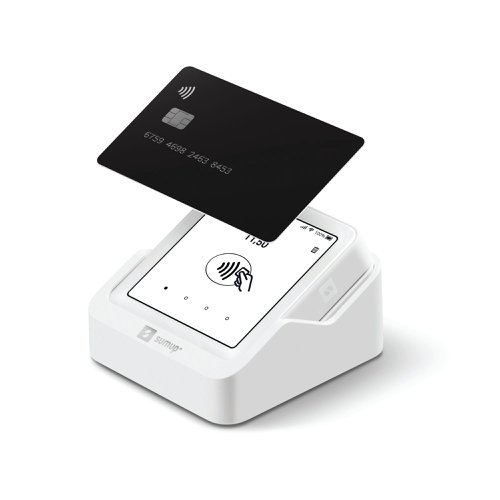
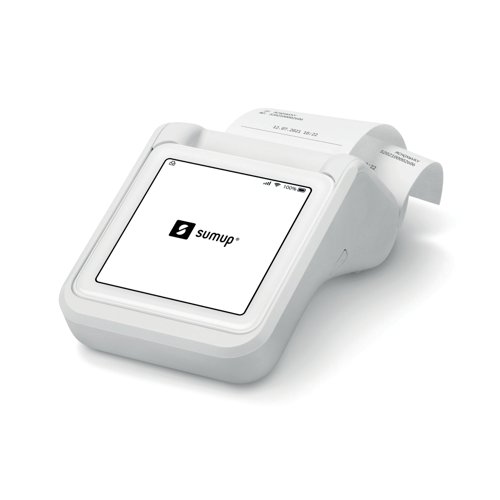
- Card readers or POS terminals - small devices that take chip-and-pin, contactless cards, and mobile wallets. For many shops and cafés, this is where most sales now happen.
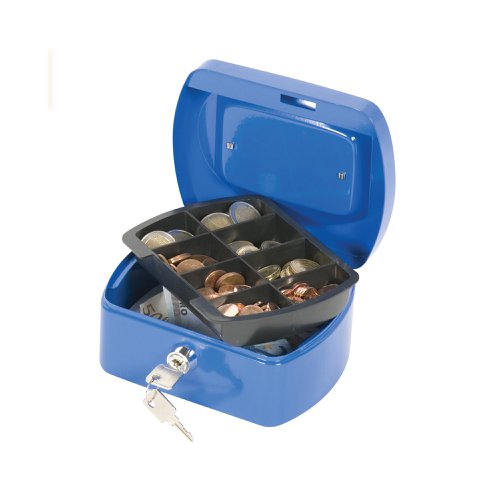
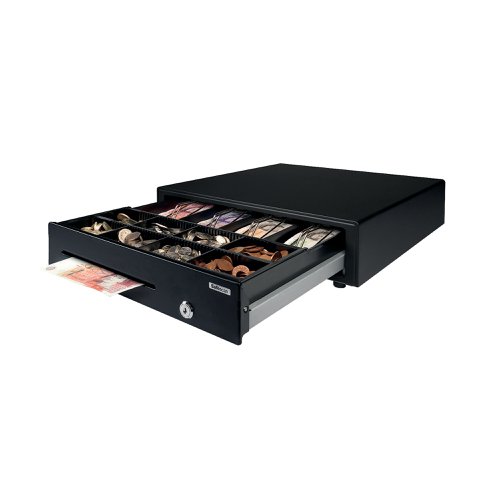
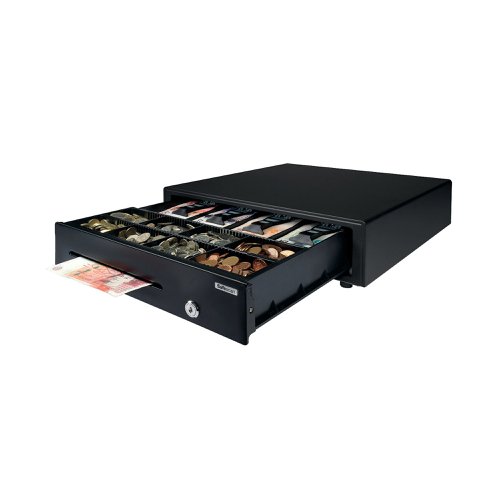
- Cash drawers - because some customers still prefer coins and notes. The right drawer keeps everything organised and secure.
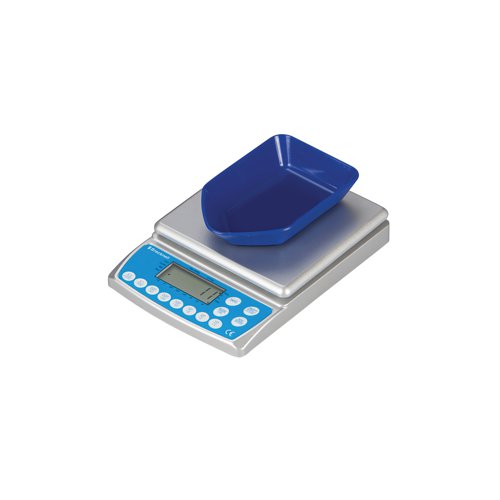
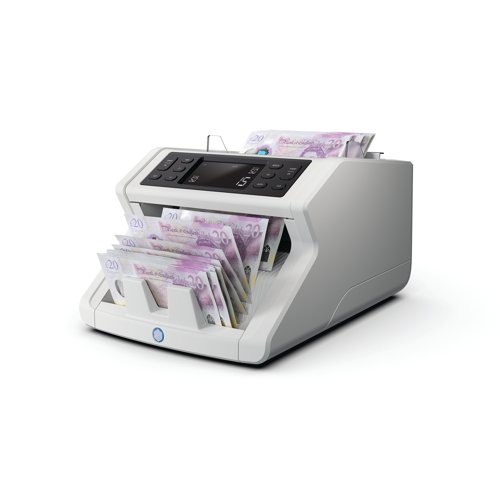
- Cash management extras - money counters, scales, or counterfeit detectors that save time and reduce mistakes when you close up at night.
Put together, they do the same job as a traditional till, just in a way that suits how customers actually pay today.
Why It Still Matters
It might be tempting to think "everyone pays by card now", but walk into any café at lunchtime and you'll see plenty of cash changing hands. At the same time, more and more customers don't carry cash at all. That's the reality - both groups exist. A modern checkout setup lets you serve them all.
- A reliable card terminal keeps queues moving.
- A drawer with strong locks reassures staff and managers.
- Counting tools mean you’re not stuck late adding up notes and coins by hand.
It's less about replacing cash and more about covering every type of payment gracefully.
Support from Cash Management Tools
You’ll know the feeling of balancing a till after a long day - it’s easy for mistakes to creep in. Cash management products are designed to make this part of the job quicker and less stressful:
- Money counting machines: drop in a pile of coins or notes, get an instant total.
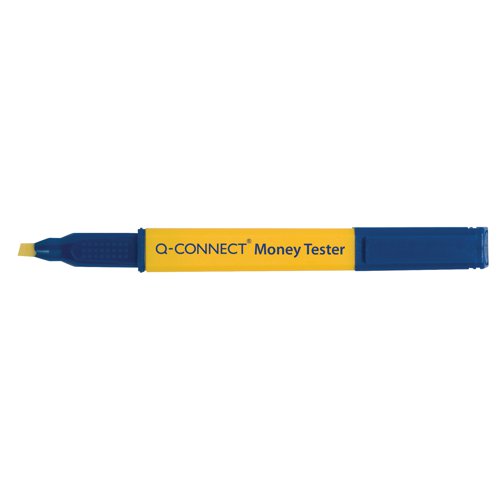
- Counterfeit detectors: a small UV light or a pen check can save you from a costly mistake.
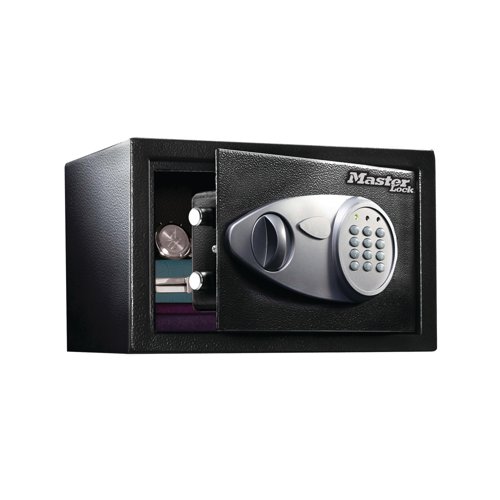
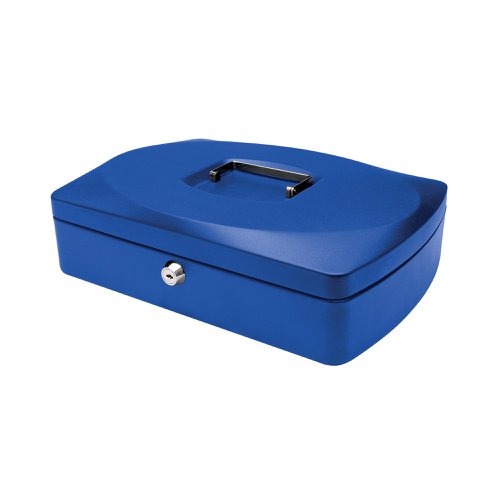
- Durable cash safes: light-duty models are fine for small shops, while heavier ones stand up better to constant use.
These aren't luxuries, they're time-savers and risk-reducers that most busy businesses quickly come to rely on.
What to Choose for Your Business
The right mix depends less on industry buzzwords and more on how your day actually runs:
- Pop-up stall or market trader? A portable card terminal and a simple drawer may be all you need.
- Café or boutique shop? Go for a terminal with receipt printing, a sturdier drawer, and perhaps a counterfeit pen behind the counter.
- Cash-heavy store? Add a standard-duty drawer plus a money counting scale - it'll save hours over a week.
Let's be honest: nobody enjoys the admin of counting and reconciling. But with the right setup, it stops being a headache and becomes just another smooth part of closing time.
It's also worth remembering: while many customers now don’t carry cash at all, there’s still a significant percentage who prefer to pay only in cash. A modern register setup that handles both keeps you covered in either situation.
View MGM Office Supplies full range of Cash Registers and other Cash Management products.
Cash Register Setup: Cash Only vs Card Only vs Both
|
Setup Type |
Pros |
Cons |
Best For |
|
Cash Only |
Simple to run, no card fees, useful in areas with poor internet |
Excludes card customers (many now carry no cash), slower to reconcile without counting tools |
Small rural shops, market stalls |
|
Card Only |
Fast checkouts, no need to handle cash, easier reporting |
Misses out on customers who only use cash, vulnerable if Wi-Fi or terminal goes down |
Mobile traders, events, modern cafés |
|
Both (Cash + Card) |
Covers every customer, professional setup, balances choice |
Slightly more equipment to manage, requires minimal staff training |
Most retail stores, cafés, service businesses |
FAQs About Cash Registers
Do I still need a cash register if most of my customers pay by card?
Yes - most businesses still keep at least a small drawer for cash, even if it's only 10–20% of sales. It keeps you flexible and avoids turning away customers.
What's the difference between a light duty and a standard duty cash drawer?
Light duty drawers are designed for smaller transaction volumes. Perfect for cafés or pop-ups. Standard duty drawers are more robust and last longer in busier retail environments.
How do money counting scales work?
They measure the weight of coins or banknotes to calculate a total. Instead of counting one by one, you can get a fast, accurate total in seconds which could be a big time saver at the end of the day.
Are counterfeit detectors really worth it?
For the small cost, absolutely. A single counterfeit note can wipe out the price of a detector pen or UV checker. It's cheap insurance for any cash-taking business.
Can I upgrade my setup over time?
Definitely. Many businesses start with a card reader and a simple drawer, then add tools like counting scales or receipt printers as they grow. That's the beauty of modern setups - they're modular and easy to scale.