046 9293272
Open Mon - Fri

0 €0.00
products in your basketto quote Checkout
Ooops no items were found.
Try something else.
Ok
Loading…

Chair Mats - A Practical Guide to Protecting Floors and Improving Everyday Comfort
7 min
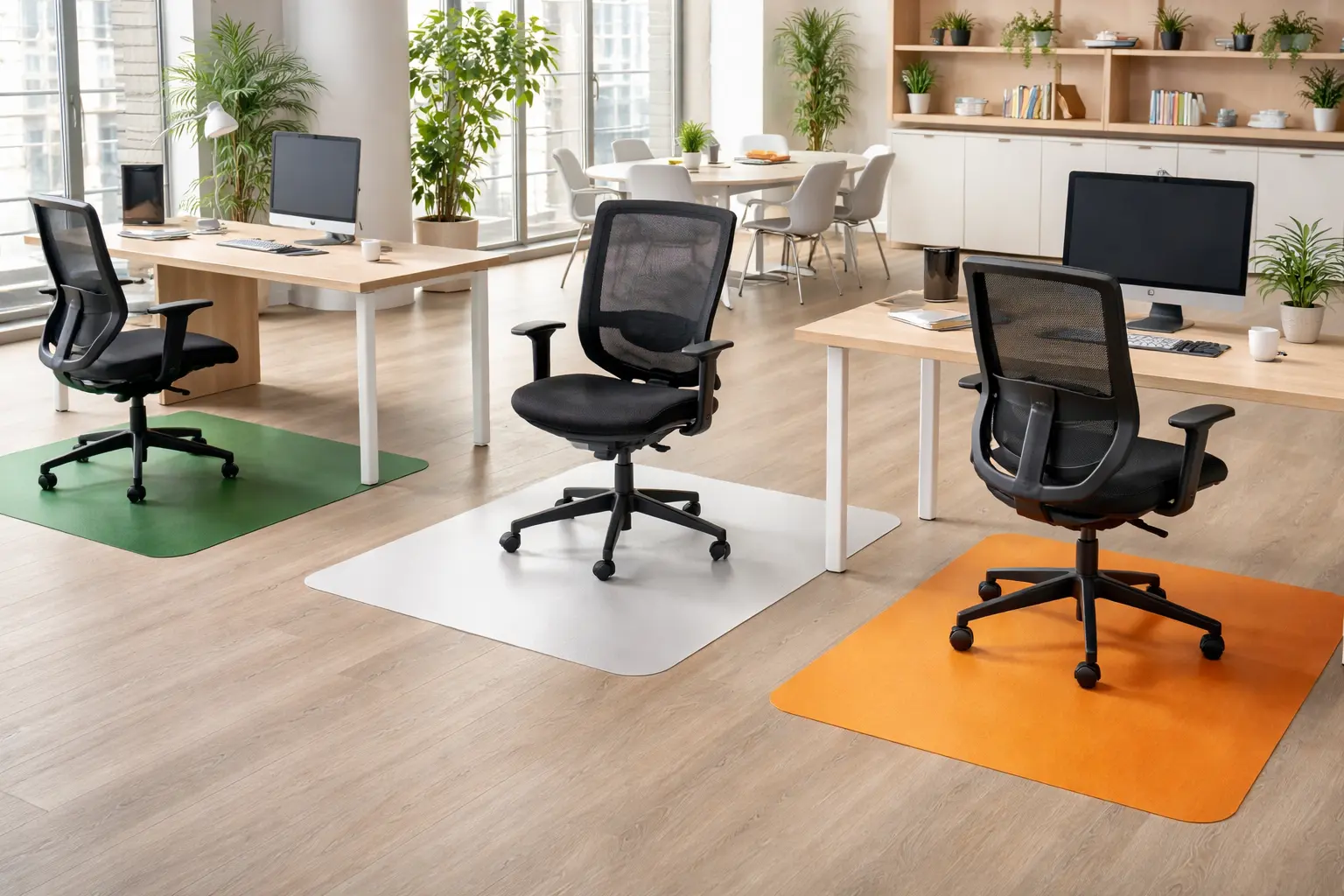
Three Chair Mats in the style of the Irish flag on the floor of a modern, bespoke office Three Chair Mats in the style of the Irish flag on the floor of a modern, bespoke office

Chair mats are one of those office essentials that rarely get much attention, yet they quietly solve several everyday problems. From protecting expensive flooring to making chairs easier to move, the right mat can make a noticeable difference to how a workspace feels and functions.

In this guide, we take a closer look at chair mats, how they work, and how to choose the right option for different office environments. Whether you are fitting out a home office or managing a larger workplace, understanding the basics can help you make a smarter, longer lasting choice.

What do chair mats actually do?

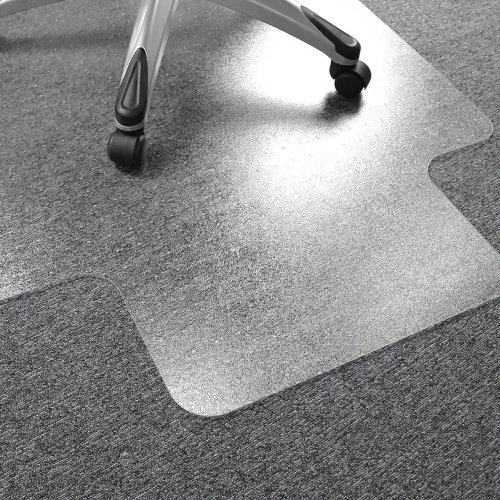
At their simplest, chair mats sit between your chair and the floor. Their purpose is to create a smooth, durable surface that allows chairs to roll easily while shielding the floor beneath from damage.

Office chairs with castors are designed to move. Without protection, that constant movement can wear down carpet fibres, leave dents in vinyl, or scratch timber flooring over time. Chair mats absorb that daily wear and spread the pressure more evenly.

Reducing floor damage

One of the biggest benefits of chair mats is floor protection. Even light office chairs can cause visible damage when used daily.

Common problems include:

  • Flattened carpet piles
  • Permanent indentations
  • Scratches on wood or laminate
  • Scuff marks on vinyl or lino

A well chosen mat acts as a barrier, extending the life of the floor and helping spaces look tidy for longer.

Improving chair movement

Rolling a chair across carpet or uneven flooring often takes more effort than people realise. Over time, that resistance can contribute to fatigue, especially in roles that involve frequent movement at the desk.

Chair mats provide a consistent surface that allows chairs to glide smoothly. This small improvement can make long working days feel less tiring and more comfortable.

Supporting better posture

While chair mats are not a replacement for ergonomic seating, they do play a supporting role. When a chair moves easily, users are less likely to twist awkwardly or strain to reach different areas of the desk.

Smooth movement encourages natural repositioning, which can support healthier posture throughout the day.

Choosing the right chair mat for your floor type

Not all chair mats are the same. The best option depends largely on the surface it will sit on. Choosing the wrong type can lead to slipping, cracking, or reduced effectiveness.

Chair mats for carpeted floors

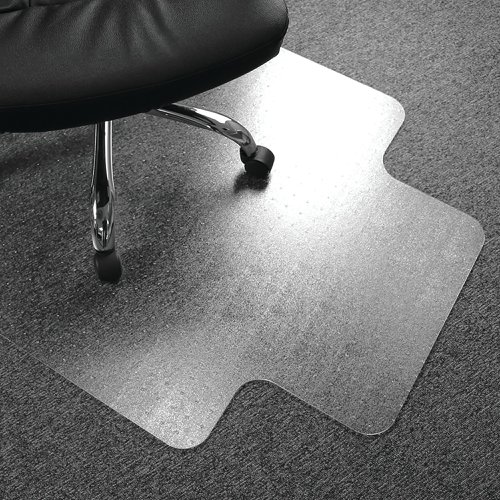
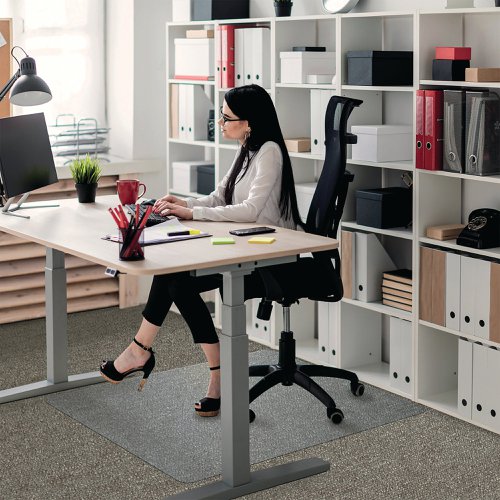
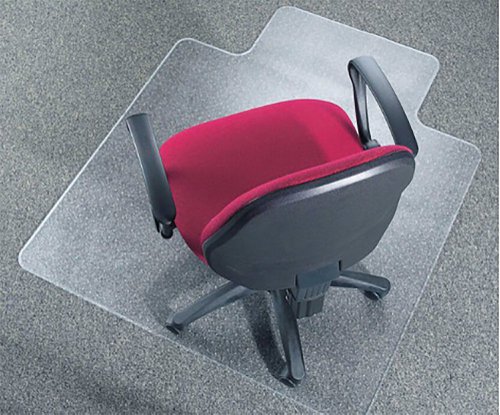
Carpeted offices require mats that can grip the surface beneath. These mats usually feature small studs or cleats on the underside that anchor the mat in place.

Key points to consider:

  • Pile depth of the carpet
  • Thickness of the mat
  • Size relative to desk and chair movement

Low pile carpets generally work well with standard studded mats. Thicker carpets may require heavier duty options designed to prevent sinking or cracking.

Chair mats for hard floors

Hard floors such as wood, laminate, vinyl, or tiles need smooth backed mats. These lie flat without studs and rely on weight and material grip to stay in place.

Look for:

  • Non slip backing
  • Scratch resistant surfaces
  • Clear materials that show the floor beneath

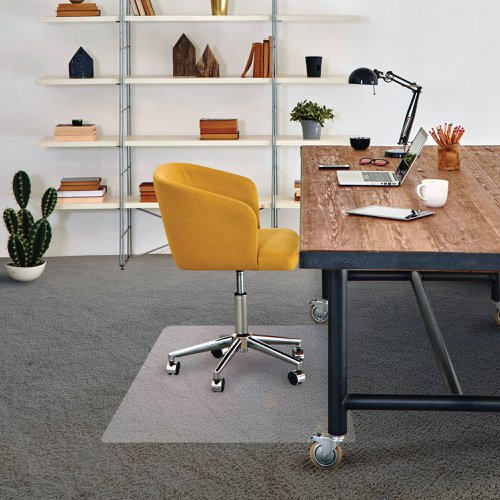
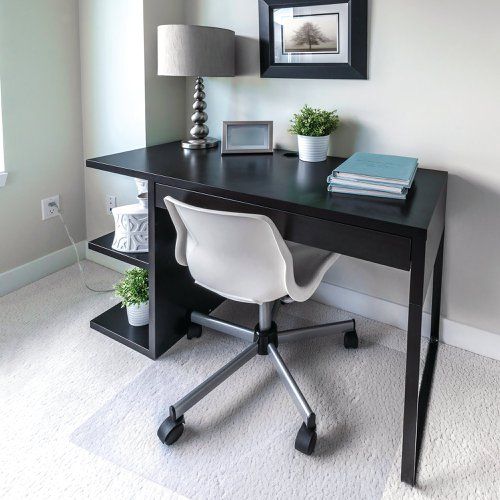
Clear chair mats are popular in modern offices as they protect the floor while keeping the overall look clean and unobtrusive.

Home office considerations

Home offices often blend workspaces with living areas. In these settings, appearance matters just as much as practicality.

Slim profile mats, transparent designs, or subtly tinted options tend to suit domestic spaces better than industrial styles.

Materials used in chair mats

Chair mats are made from a range of materials, each with its own benefits. Understanding these differences helps avoid disappointment after purchase.

Polycarbonate chair mats

Polycarbonate is one of the most durable materials available. These mats are strong, crack resistant, and suitable for heavier chairs and users.

Benefits include:

  • Long lifespan
  • Excellent clarity
  • Resistance to curling at the edges

They tend to cost more but often represent better value over time.

PVC and vinyl chair mats

PVC chair mats are widely used and more affordable. They are flexible and lightweight, making them easy to handle and reposition.

However, cheaper versions may:

  • Crack under heavy use
  • Curl at the edges
  • Yellow over time

They are best suited to lighter use or temporary setups.

Recycled and eco conscious materials

Some chair mats are now made using recycled plastics or partially renewable materials. These options appeal to businesses looking to reduce environmental impact without sacrificing functionality.

Performance varies by manufacturer, so it is worth checking weight ratings and guarantees.

Size and shape considerations

A common mistake is choosing a chair mat that is too small. This limits movement and reduces the benefit of having a mat in the first place.

How large should a chair mat be

The mat should cover:

  • The full range of chair movement
  • Areas where the user pushes back from the desk
  • Any sideways motion used during the day

For most desks, this means allowing space behind and to the sides of the chair, not just directly underneath it.

Rectangular vs shaped chair mats

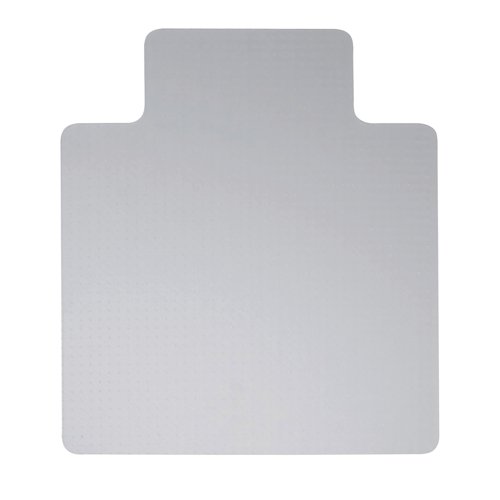
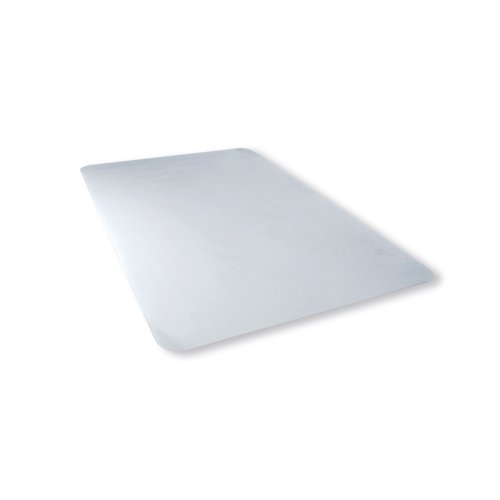
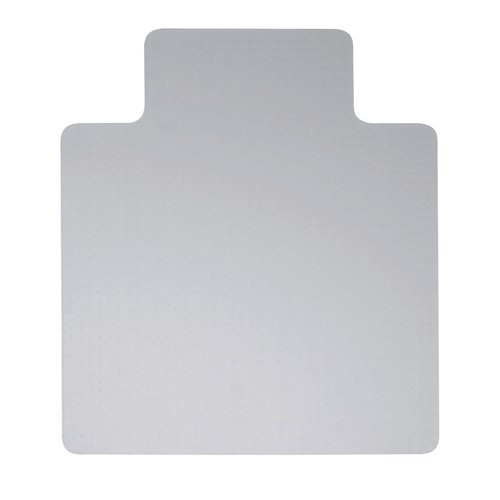
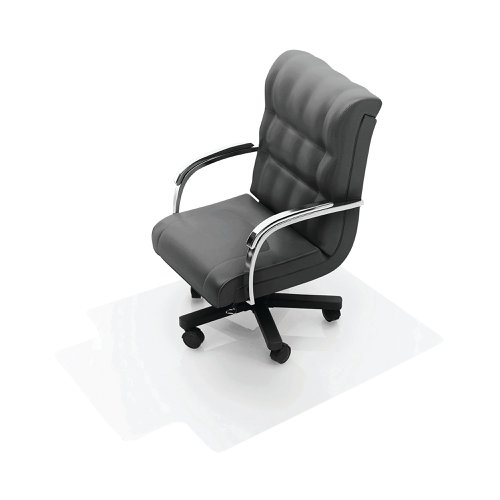
Rectangular mats offer maximum coverage and flexibility. Shaped mats, often with a lip under the desk, are useful where space is limited.

The choice depends on room layout and desk position rather than performance differences.

Chair mats and workplace safety

While chair mats offer many benefits, safety should never be overlooked. Poor quality mats can move or curl, creating a trip hazard. Choosing the correct mat for the floor type and ensuring it sits flat is essential. Non slip backings and chamfered edges help reduce these risks, particularly in busy office environments.

In commercial settings, materials should meet relevant fire safety standards. This is especially important in shared offices, schools, and public buildings. Reputable suppliers clearly state compliance information, making it easier to choose confidently. If you need any assistance finding the right chair mat for your business, get in touch and we'll be more than happy to share our expertise.

Reducing maintenance costs

Replacing carpet tiles or repairing damaged floors is expensive and disruptive. Chair mats help reduce wear in high use areas, lowering long term maintenance costs.

They are particularly useful in:

  • Call centres
  • Shared workstations
  • Reception desks
  • Training rooms

Supporting staff wellbeing

Comfort and ease of movement contribute to a better working experience. While chair mats alone will not solve ergonomic issues, they form part of a wider approach to workplace wellbeing.

When paired with good seating and desk setup, they help create a more comfortable environment for staff.

When to replace a chair mat

Even the best chair mats do not last forever. Knowing when to replace them ensures continued protection and safety.

Signs it may be time for a new mat include:

  • Cracks or splits
  • Curled edges that will not flatten
  • Loss of grip on the floor
  • Discolouration that affects appearance

Replacing a worn mat is far cheaper than repairing damaged flooring.

Buying chair mats with confidence

Choosing chair mats does not need to be complicated. Focusing on floor type, material quality, and size will cover most requirements.

A supplier such as MGM Office Supplies can help businesses across Ireland select suitable options for different environments, from home offices to larger commercial spaces, without overcomplicating the process.


Frequently asked questions about chair mats

Do chair mats work on all carpets?

Chair mats are effective on most carpets, but the pile depth matters. Low to medium pile carpets work best with standard studded mats. Thick or plush carpets may require heavy duty designs.

Can chair mats be used on underfloor heating?

Many chair mats are compatible with underfloor heating, particularly polycarbonate options. It is always worth checking product specifications before use.

Are chair mats necessary for ergonomic chairs?

Even high quality ergonomic chairs can damage floors over time. Chair mats protect surfaces and make movement easier, complementing the benefits of the chair itself.

Do chair mats damage carpets?

When used correctly, chair mats protect carpets rather than damage them. Choosing the right stud depth and removing the mat occasionally for cleaning helps avoid issues.

How long do chair mats typically last?

Lifespan depends on material and usage. Polycarbonate mats can last several years in busy offices, while basic PVC mats may need replacing sooner.

Are clear chair mats better than opaque ones?

Clear chair mats are popular because they blend into the space and show the floor beneath. Performance depends more on material quality than colour.

Can chair mats be cut to size?

Some mats can be trimmed, but this is not always recommended as it may affect edge strength. It is usually better to buy the correct size from the start.

Do chair mats help with noise reduction?

Chair mats can slightly reduce noise by smoothing chair movement, but they are not designed as acoustic solutions. Their main benefit remains floor protection and ease of use.
Chair Mats - A Practical Guide to Protecting Floors and Improving Everyday Comfort

7 min
Three Chair Mats in the style of the Irish flag on the floor of a modern, bespoke office Three Chair Mats in the style of the Irish flag on the floor of a modern, bespoke office

Chair mats are one of those office essentials that rarely get much attention, yet they quietly solve several everyday problems. From protecting expensive flooring to making chairs easier to move, the right mat can make a noticeable difference to how a workspace feels and functions.

In this guide, we take a closer look at chair mats, how they work, and how to choose the right option for different office environments. Whether you are fitting out a home office or managing a larger workplace, understanding the basics can help you make a smarter, longer lasting choice.

What do chair mats actually do?

At their simplest, chair mats sit between your chair and the floor. Their purpose is to create a smooth, durable surface that allows chairs to roll easily while shielding the floor beneath from damage.

Office chairs with castors are designed to move. Without protection, that constant movement can wear down carpet fibres, leave dents in vinyl, or scratch timber flooring over time. Chair mats absorb that daily wear and spread the pressure more evenly.

Reducing floor damage

One of the biggest benefits of chair mats is floor protection. Even light office chairs can cause visible damage when used daily.

Common problems include:

  • Flattened carpet piles
  • Permanent indentations
  • Scratches on wood or laminate
  • Scuff marks on vinyl or lino

A well chosen mat acts as a barrier, extending the life of the floor and helping spaces look tidy for longer.

Improving chair movement

Rolling a chair across carpet or uneven flooring often takes more effort than people realise. Over time, that resistance can contribute to fatigue, especially in roles that involve frequent movement at the desk.

Chair mats provide a consistent surface that allows chairs to glide smoothly. This small improvement can make long working days feel less tiring and more comfortable.

Supporting better posture

While chair mats are not a replacement for ergonomic seating, they do play a supporting role. When a chair moves easily, users are less likely to twist awkwardly or strain to reach different areas of the desk.

Smooth movement encourages natural repositioning, which can support healthier posture throughout the day.

Choosing the right chair mat for your floor type

Not all chair mats are the same. The best option depends largely on the surface it will sit on. Choosing the wrong type can lead to slipping, cracking, or reduced effectiveness.

Chair mats for carpeted floors

Carpeted offices require mats that can grip the surface beneath. These mats usually feature small studs or cleats on the underside that anchor the mat in place.

Key points to consider:

  • Pile depth of the carpet
  • Thickness of the mat
  • Size relative to desk and chair movement

Low pile carpets generally work well with standard studded mats. Thicker carpets may require heavier duty options designed to prevent sinking or cracking.

Chair mats for hard floors

Hard floors such as wood, laminate, vinyl, or tiles need smooth backed mats. These lie flat without studs and rely on weight and material grip to stay in place.

Look for:

  • Non slip backing
  • Scratch resistant surfaces
  • Clear materials that show the floor beneath

Clear chair mats are popular in modern offices as they protect the floor while keeping the overall look clean and unobtrusive.

Home office considerations

Home offices often blend workspaces with living areas. In these settings, appearance matters just as much as practicality.

Slim profile mats, transparent designs, or subtly tinted options tend to suit domestic spaces better than industrial styles.

Materials used in chair mats

Chair mats are made from a range of materials, each with its own benefits. Understanding these differences helps avoid disappointment after purchase.

Polycarbonate chair mats

Polycarbonate is one of the most durable materials available. These mats are strong, crack resistant, and suitable for heavier chairs and users.

Benefits include:

  • Long lifespan
  • Excellent clarity
  • Resistance to curling at the edges

They tend to cost more but often represent better value over time.

PVC and vinyl chair mats

PVC chair mats are widely used and more affordable. They are flexible and lightweight, making them easy to handle and reposition.

However, cheaper versions may:

  • Crack under heavy use
  • Curl at the edges
  • Yellow over time

They are best suited to lighter use or temporary setups.

Recycled and eco conscious materials

Some chair mats are now made using recycled plastics or partially renewable materials. These options appeal to businesses looking to reduce environmental impact without sacrificing functionality.

Performance varies by manufacturer, so it is worth checking weight ratings and guarantees.

Size and shape considerations

A common mistake is choosing a chair mat that is too small. This limits movement and reduces the benefit of having a mat in the first place.

How large should a chair mat be

The mat should cover:

  • The full range of chair movement
  • Areas where the user pushes back from the desk
  • Any sideways motion used during the day

For most desks, this means allowing space behind and to the sides of the chair, not just directly underneath it.

Rectangular vs shaped chair mats

Rectangular mats offer maximum coverage and flexibility. Shaped mats, often with a lip under the desk, are useful where space is limited.

The choice depends on room layout and desk position rather than performance differences.

Chair mats and workplace safety

While chair mats offer many benefits, safety should never be overlooked. Poor quality mats can move or curl, creating a trip hazard. Choosing the correct mat for the floor type and ensuring it sits flat is essential. Non slip backings and chamfered edges help reduce these risks, particularly in busy office environments.

In commercial settings, materials should meet relevant fire safety standards. This is especially important in shared offices, schools, and public buildings. Reputable suppliers clearly state compliance information, making it easier to choose confidently. If you need any assistance finding the right chair mat for your business, get in touch and we'll be more than happy to share our expertise.

Reducing maintenance costs

Replacing carpet tiles or repairing damaged floors is expensive and disruptive. Chair mats help reduce wear in high use areas, lowering long term maintenance costs.

They are particularly useful in:

  • Call centres
  • Shared workstations
  • Reception desks
  • Training rooms

Supporting staff wellbeing

Comfort and ease of movement contribute to a better working experience. While chair mats alone will not solve ergonomic issues, they form part of a wider approach to workplace wellbeing.

When paired with good seating and desk setup, they help create a more comfortable environment for staff.

When to replace a chair mat

Even the best chair mats do not last forever. Knowing when to replace them ensures continued protection and safety.

Signs it may be time for a new mat include:

  • Cracks or splits
  • Curled edges that will not flatten
  • Loss of grip on the floor
  • Discolouration that affects appearance

Replacing a worn mat is far cheaper than repairing damaged flooring.

Buying chair mats with confidence

Choosing chair mats does not need to be complicated. Focusing on floor type, material quality, and size will cover most requirements.

A supplier such as MGM Office Supplies can help businesses across Ireland select suitable options for different environments, from home offices to larger commercial spaces, without overcomplicating the process.


Frequently asked questions about chair mats

Do chair mats work on all carpets?

Chair mats are effective on most carpets, but the pile depth matters. Low to medium pile carpets work best with standard studded mats. Thick or plush carpets may require heavy duty designs.

Can chair mats be used on underfloor heating?

Many chair mats are compatible with underfloor heating, particularly polycarbonate options. It is always worth checking product specifications before use.

Are chair mats necessary for ergonomic chairs?

Even high quality ergonomic chairs can damage floors over time. Chair mats protect surfaces and make movement easier, complementing the benefits of the chair itself.

Do chair mats damage carpets?

When used correctly, chair mats protect carpets rather than damage them. Choosing the right stud depth and removing the mat occasionally for cleaning helps avoid issues.

How long do chair mats typically last?

Lifespan depends on material and usage. Polycarbonate mats can last several years in busy offices, while basic PVC mats may need replacing sooner.

Are clear chair mats better than opaque ones?

Clear chair mats are popular because they blend into the space and show the floor beneath. Performance depends more on material quality than colour.

Can chair mats be cut to size?

Some mats can be trimmed, but this is not always recommended as it may affect edge strength. It is usually better to buy the correct size from the start.

Do chair mats help with noise reduction?

Chair mats can slightly reduce noise by smoothing chair movement, but they are not designed as acoustic solutions. Their main benefit remains floor protection and ease of use.
21 products found
Sort by
Q-Connect Chair Mat Studded Underside for Secure Grip 1219x920x2mm PVC Clear KF02255
Q-Connect Clear Chair Mat Studded Underside for Secure Grip 1346x1143x2mm PVC KF02256
Cleartex Advantagemat Plus APET Rectangular Chair Mat for Hard Floors 900x1200mm UCCMFLAS0002
Floortex Cleartex PVC Chair Mat Carpet Lipped 1200x900x2.2mm Clear 119225LV
Floortex Cleartex Rectangular Chair Mat Carpet 1500x1200x2.2mm PVC Clear 1115225EV
Floortex Polycarbonate Carpet Chair Mat 1500x1200x2.3mm 1115223ER
Cleartex Chair Mat For Hard Floors 1500x1200x2.2mm Clear FL1215225EV
Floortex Ecotex Evolutionmat Rectangular Chair Mat for Carpets up to 9mm Thick 1200x900x22mm FL74151
Floortex Cleartex Chair Mat Hard Floor Lipped 1200x900x2.2mm PVC Clear 1299225LV
Floortex PVC Rectangular Chair Mat for Hard Floors 1200x750x17mm Clear FL74191
Floortex Ultimat Polycarbonate Rectangular Chair Mat for Carpets upto 12mm Thick 1190x890mm 118923ER
Floortex Advantagemat PVC Rectangular Chair Mat for Carpets up to 6mm 1200x750x2mm Clear FL74288
5 Star Office Chair Mat For Carpets PVC Lipped 900x1200mm Clear/Transparent
5 Star Office Chair Mat For Carpets PVC Lipped 1150x1340mm Clear/Transparent
5 Star Office Chair Mat Hard Floors PVC Lipped 900x1200mm Clear/Transparent
Cleartex Advantagemat Plus APET Rectangular Chair Mat for Hard Floors 750x1185mm UCCMFLAS0001
Cleartex Advantagemat Plus APET Chair Mat for Low and Standard Pile Carpets 1185x750mm UCCMFLAG0001
Cleartex Advantagemat Plus APET Chair Mat for Low and Standard Pile Carpets 900x1200mm UCCMFLAG0002
Floortex Advantagemat PVC Lipped Chair Mat for Carpets up to 6mm Thick 1340x1150mm
5 Star PVC Carpet Chairmat with Gripper Backing Clear 116x150cm 667938
5 Star Office Chair Mat For Carpets Polycarbonate Lipped 890x1190mm Clear
Total 21 products
SEARCH ×