046 9293272
Open Mon - Fri

0 €0.00
products in your basketto quote Checkout
Ooops no items were found.
Try something else.
Ok
Loading…

What Do You Need to Start Laminating in the Office?

10 min
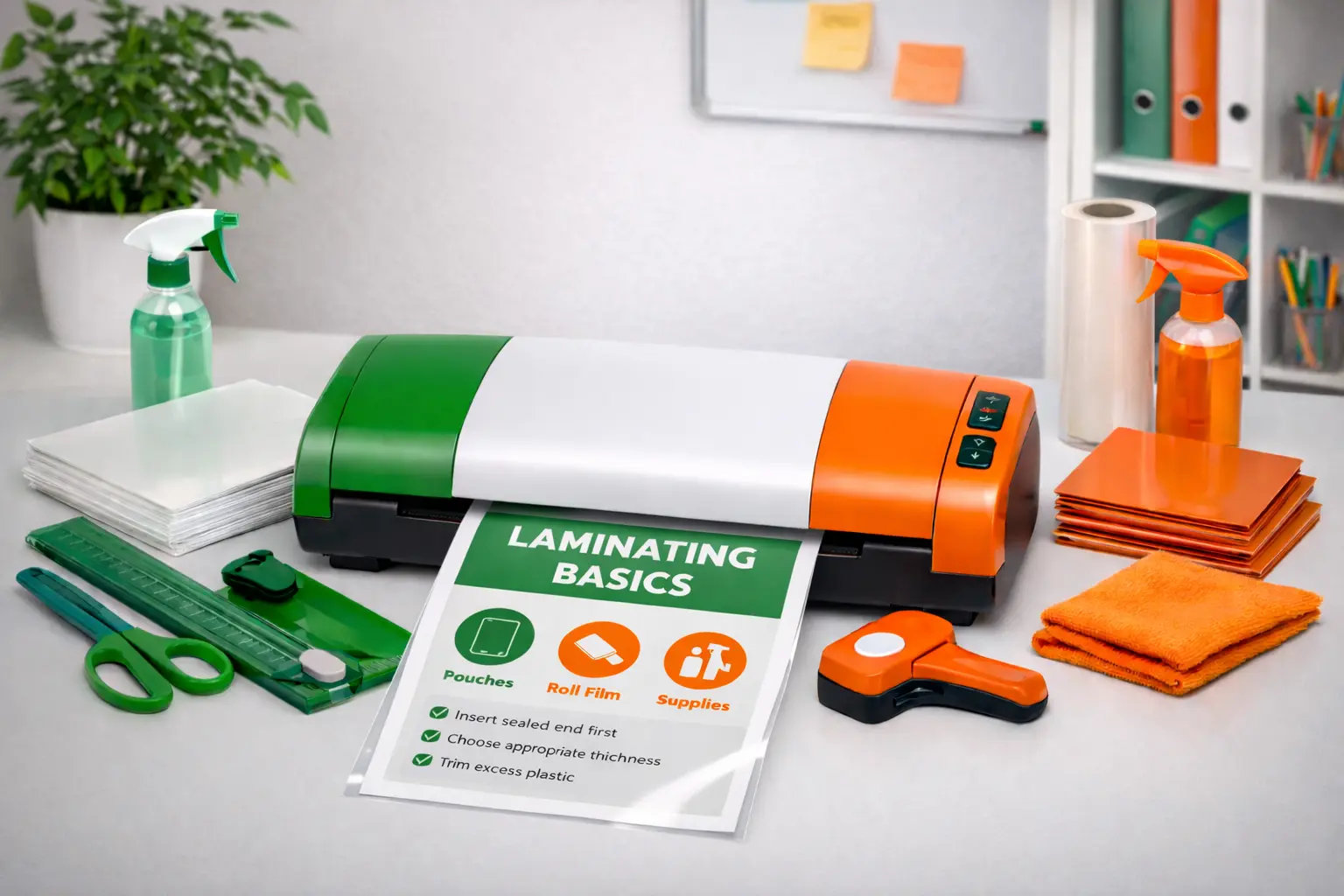
Office laminator laminating a poster about laminating with pouches, roll film and office supplies on a desk Office laminator laminating a poster about laminating with pouches, roll film and office supplies on a desk

Laminating remains one of the simplest ways to protect important documents in a busy workplace. From safety notices to instruction sheets and staff reference guides, laminating helps materials last longer and stay readable even after frequent handling. Many offices rely on a laminator to keep essential information looking professional and easy to maintain.

Starting laminating in the office is surprisingly straightforward. A reliable laminator, the correct laminating pouches or roll film, and a few helpful accessories and supplies are usually all that is required. Once the right setup is in place, laminating becomes a quick and routine task that can save time and reduce the need to constantly replace printed materials.

The following guide explains what offices need to begin laminating properly. It covers the different types of laminator machines, the supplies that support them, and a few useful tips that help produce neat and durable results every time.


Why Offices Still Use Laminating

Even in an increasingly digital world, printed materials still play an important role in many workplaces. Laminating helps protect these documents and ensures they remain useful for longer periods.

Common documents offices laminate

Many everyday documents benefit from laminating, particularly those that are handled regularly or displayed in shared areas. Offices often laminate materials that need to remain clean, visible and easy to read throughout the working day.

Typical examples include:

  • Health and safety notices
  • Cleaning schedules
  • Kitchen guidelines
  • Office maps or building layouts
  • Emergency contact lists
  • Visitor information sheets
  • Training instructions

These types of documents tend to be displayed on walls, noticeboards or desks. Without laminating, paper can quickly become damaged, creased or stained. Laminating protects the surface and keeps the document presentable.

Reception areas often use laminated signs for directions or visitor guidance. Meeting rooms may display laminated equipment instructions. Staff areas sometimes feature laminated reminders for procedures or safety checks. A simple laminated sheet can remain useful for months or even years.

Benefits of laminating important materials

Laminating offers several practical benefits that make it worthwhile for workplaces of all sizes. One of the most obvious advantages is durability. Laminated documents resist tearing, bending and water damage, which helps prevent frequent reprinting.

Another benefit is improved cleanliness. Laminated surfaces can be wiped with a cloth or disinfectant wipe without damaging the document underneath. This is particularly useful in environments where hygiene is important, such as kitchens, medical settings or shared office spaces.

Visual clarity is another reason offices continue laminating materials. A laminated document often appears sharper and easier to read because the surface remains flat and protected. Colours tend to look brighter and the overall presentation feels more professional.

For businesses that rely on clear instructions or visible signage, laminating ensures the information remains easy to understand at all times.


Choosing the Right Laminator for Your Office

Selecting the right laminator is the first step when introducing laminating into an office environment. Different types of laminator machines are designed for different workloads and document sizes.

Pouch laminators for everyday office use

Pouch laminators are the most common option in office settings. These machines use pre sized laminating pouches that seal around the document when passed through heated rollers.

This style of laminator is ideal for everyday laminating tasks such as A4 instruction sheets, notices, certificates or signs. Pouch laminators are generally compact and easy to operate, which makes them suitable for reception desks, admin departments and small offices. The most common types of pouch laminators are A4 Laminators and A3 Laminators

The process is simple. A document is placed inside a laminating pouch, the pouch is inserted into the laminator, and the machine gently seals the layers together. Within seconds the finished sheet emerges sealed and protected.

Pouch laminators also tend to be affordable and require very little training to use. Many offices choose this type of laminator because it balances ease of use with reliable results.

Roll laminators for higher volume laminating

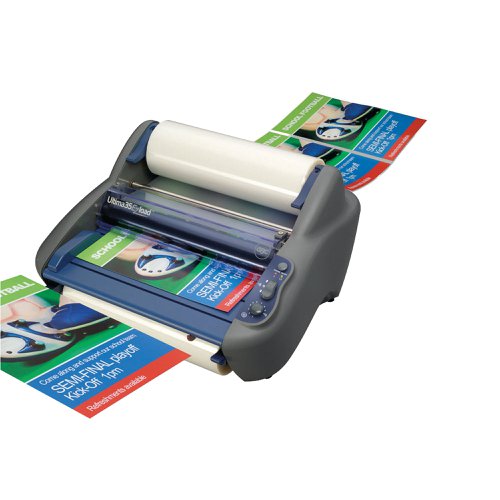
Roll laminators operate slightly differently. Instead of individual pouches, they use continuous rolls of laminating film that feed through the machine.

This type of laminator is typically found in environments that require frequent laminating, such as print departments, schools or large administrative offices. Roll laminating allows users to laminate multiple documents in sequence without loading separate pouches each time.

Roll laminators can also handle larger formats and longer sheets, which makes them useful for posters, training materials or instructional displays.

For most small to medium offices, a pouch laminator provides everything needed. Larger workplaces with high laminating demand may find roll laminating more efficient over time.

Important features to consider when buying a laminator

Several features can influence how well a laminator performs in a workplace environment. Choosing the right specifications helps ensure smooth laminating and fewer interruptions.

Key considerations include:

  • Maximum document size supported
  • Warm up time before laminating
  • Speed of laminating
  • Compatibility with thicker laminating pouches
  • Anti jam technology
  • Temperature control

A laminator that supports different pouch thicknesses offers more flexibility for various laminating tasks. Machines with anti jam systems can also help prevent mistakes when documents are fed incorrectly.

Many businesses prefer machines that warm up quickly and operate quietly. A laminator that fits comfortably within the office environment will be used more often and more effectively.

Suppliers such as MGM Office Supplies provide a range of laminator models suited to everyday workplace needs, from simple desktop units to more advanced machines for heavier use.


Laminating Pouches and Film Explained

Once a laminator is in place, the next requirement is the correct laminating supplies. Laminating pouches and roll film protect documents and create the sealed finish that laminating is known for.

What laminating pouches are and how they work

Laminating pouches consist of two layers of clear plastic film joined along one edge. A document is placed inside the pouch and then passed through the laminator.

Heat from the laminator activates a special adhesive within the pouch, sealing the layers together around the document. This process creates a smooth and protective surface that resists moisture and physical wear.

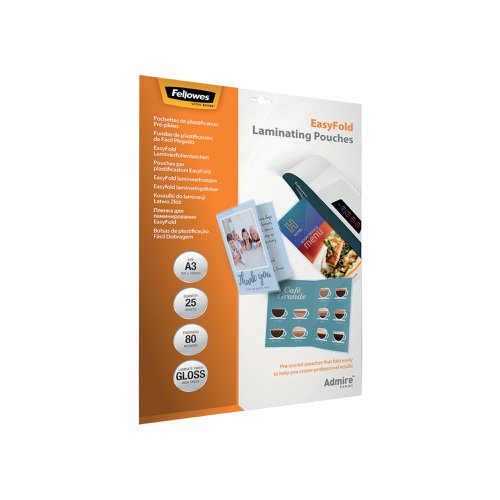
Pouches are available in several standard sizes, with A4 and A3 being the most commonly used in offices. Many workplaces keep a supply of A4 pouches for everyday laminating tasks such as notices and instruction sheets.

Using laminating pouches is usually straightforward. The document must be positioned carefully inside the pouch before feeding it through the laminator. Once sealed, the document is permanently protected within the plastic layer.

Understanding pouch thickness and sizes

Laminating pouches come in different thickness levels, which influence how rigid the finished document becomes. Thickness is typically measured in microns.

Common pouch thickness options include:

Thicker pouches create stronger laminated sheets that hold their shape well. This can be helpful for documents that need to remain upright or frequently handled.

Offices often keep several pouch thicknesses available depending on how the document will be used. Lightweight notices may require minimal protection, while instructional guides or safety signs may benefit from thicker laminating.

Choosing the right pouch size and thickness ensures the laminating process produces the desired finish.

When roll laminating film is the better option

Laminating film rolls becomes useful when large volumes of documents require laminating. Instead of inserting individual pouches, roll laminators feed film from two continuous rolls that seal together around the document.

This system can speed up the laminating process in environments where many sheets are laminated daily. Roll laminating also allows users to laminate longer materials such as banners or extended instruction charts.

Roll film supplies usually come in large spools that last for long periods. While the machines themselves are often larger, they can improve efficiency in departments with high laminating demand.

For standard office use, pouch laminating remains the most convenient option. Roll laminating is often reserved for specialised applications or larger workplaces.


Essential Laminating Accessories and Supplies

Beyond the laminator and pouches, several accessories help improve laminating quality and extend the life of the machine.

Carrier sheets and protective accessories

Carrier sheets are protective sleeves used when laminating delicate materials or thinner pouches. They help guide the document smoothly through the laminator while reducing the risk of adhesive residue reaching the rollers.

Although not always required, carrier sheets can be helpful in offices where laminating is done regularly. They add an extra layer of protection for the machine and can improve consistency during the laminating process.

Some laminating accessories also include alignment guides or document holders that help keep materials positioned correctly before laminating begins.

Trimmers and cutters for clean finishing

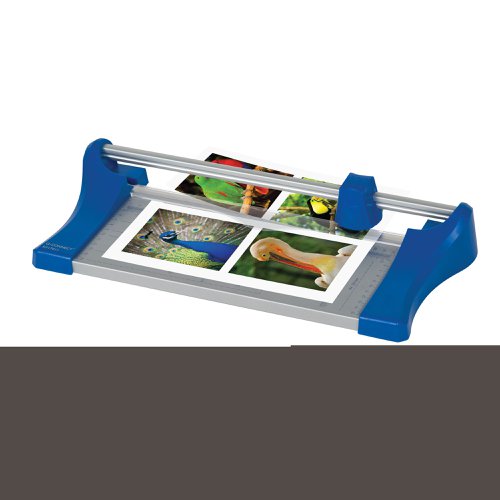
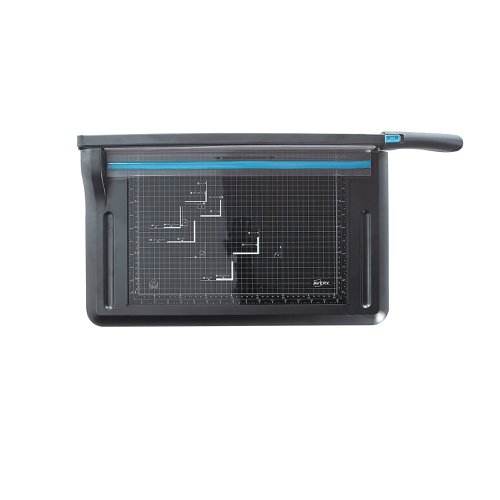
After laminating, documents sometimes need trimming to remove excess plastic edges. A paper trimmer or rotary cutter allows users to tidy the edges and create a neat professional appearance.

Many offices pair laminators with small desktop trimmers for this purpose. These tools are particularly useful when laminating multiple sheets that require uniform sizing.

Cutting laminated documents cleanly improves presentation and ensures the finished materials look organised when displayed around the office.

Cleaning sheets and laminator maintenance supplies

Like any office equipment, laminators benefit from occasional maintenance. Cleaning sheets are designed to remove adhesive residue from the rollers inside the machine.

Over time, small traces of adhesive from laminating pouches can build up inside the laminator. Running a cleaning sheet through the machine helps maintain smooth operation and prevents sticking or uneven sealing.

Keeping a few maintenance supplies nearby ensures the laminator continues performing well and reduces the chance of technical issues.


Tips for Getting the Best Laminating Results

Even with the correct supplies and equipment, a few simple habits can make laminating easier and more effective.

Preparing documents before laminating

Preparation is an important part of the laminating process. Documents should be printed clearly and allowed to dry fully before laminating begins.

Dust or small particles can become visible once sealed inside a pouch. Wiping the document surface or placing it carefully inside the pouch helps avoid imperfections.

Positioning the document correctly within the pouch is also important. Leaving a small border around the edges allows the laminator to seal the plastic layers properly.

Careful preparation ensures the finished laminated document looks clean and professional.

Avoiding common laminating mistakes

A few common errors can affect laminating quality. Feeding the pouch into the laminator incorrectly is one of the most frequent issues. The sealed edge should always enter the laminator first.

Using the wrong pouch thickness for a particular laminator can also cause problems. Checking the machine specifications helps ensure compatibility.

Another mistake involves overloading the laminator or attempting to laminate unsuitable materials. Following the manufacturer's guidance keeps the machine working smoothly.

With a little practice, laminating becomes a quick and reliable office task that requires very little effort.


Frequently Asked Questions About Office Laminating

What thickness laminating pouches should offices use?

Most offices find that 125 micron laminating pouches provide a good balance between flexibility and durability. Thicker pouches may be useful for documents that need extra strength.

Can you laminate ordinary paper documents?

Yes. Standard printing paper works well for laminating. Many offices laminate everyday printed materials such as notices, instructions and checklists.

Do laminators require regular maintenance?

Laminators benefit from occasional cleaning to remove adhesive residue. Running cleaning sheets through the machine helps maintain smooth operation.

Is roll laminating better than pouch laminating?

Roll laminating is more suitable for high volume environments or large format documents. Pouch laminating is generally easier and more practical for most office settings.

How long do laminated documents last?

Laminated documents can last for many years depending on how they are used. Laminating protects against moisture, wear and general handling, helping important information remain clear and readable.
What Do You Need to Start Laminating in the Office?

10 min
Office laminator laminating a poster about laminating with pouches, roll film and office supplies on a desk Office laminator laminating a poster about laminating with pouches, roll film and office supplies on a desk

Laminating remains one of the simplest ways to protect important documents in a busy workplace. From safety notices to instruction sheets and staff reference guides, laminating helps materials last longer and stay readable even after frequent handling. Many offices rely on a laminator to keep essential information looking professional and easy to maintain.

Starting laminating in the office is surprisingly straightforward. A reliable laminator, the correct laminating pouches or roll film, and a few helpful accessories and supplies are usually all that is required. Once the right setup is in place, laminating becomes a quick and routine task that can save time and reduce the need to constantly replace printed materials.

The following guide explains what offices need to begin laminating properly. It covers the different types of laminator machines, the supplies that support them, and a few useful tips that help produce neat and durable results every time.


Why Offices Still Use Laminating

Even in an increasingly digital world, printed materials still play an important role in many workplaces. Laminating helps protect these documents and ensures they remain useful for longer periods.

Common documents offices laminate

Many everyday documents benefit from laminating, particularly those that are handled regularly or displayed in shared areas. Offices often laminate materials that need to remain clean, visible and easy to read throughout the working day.

Typical examples include:

  • Health and safety notices
  • Cleaning schedules
  • Kitchen guidelines
  • Office maps or building layouts
  • Emergency contact lists
  • Visitor information sheets
  • Training instructions

These types of documents tend to be displayed on walls, noticeboards or desks. Without laminating, paper can quickly become damaged, creased or stained. Laminating protects the surface and keeps the document presentable.

Reception areas often use laminated signs for directions or visitor guidance. Meeting rooms may display laminated equipment instructions. Staff areas sometimes feature laminated reminders for procedures or safety checks. A simple laminated sheet can remain useful for months or even years.

Benefits of laminating important materials

Laminating offers several practical benefits that make it worthwhile for workplaces of all sizes. One of the most obvious advantages is durability. Laminated documents resist tearing, bending and water damage, which helps prevent frequent reprinting.

Another benefit is improved cleanliness. Laminated surfaces can be wiped with a cloth or disinfectant wipe without damaging the document underneath. This is particularly useful in environments where hygiene is important, such as kitchens, medical settings or shared office spaces.

Visual clarity is another reason offices continue laminating materials. A laminated document often appears sharper and easier to read because the surface remains flat and protected. Colours tend to look brighter and the overall presentation feels more professional.

For businesses that rely on clear instructions or visible signage, laminating ensures the information remains easy to understand at all times.


Choosing the Right Laminator for Your Office

Selecting the right laminator is the first step when introducing laminating into an office environment. Different types of laminator machines are designed for different workloads and document sizes.

Pouch laminators for everyday office use

Pouch laminators are the most common option in office settings. These machines use pre sized laminating pouches that seal around the document when passed through heated rollers.

This style of laminator is ideal for everyday laminating tasks such as A4 instruction sheets, notices, certificates or signs. Pouch laminators are generally compact and easy to operate, which makes them suitable for reception desks, admin departments and small offices. The most common types of pouch laminators are A4 Laminators and A3 Laminators

The process is simple. A document is placed inside a laminating pouch, the pouch is inserted into the laminator, and the machine gently seals the layers together. Within seconds the finished sheet emerges sealed and protected.

Pouch laminators also tend to be affordable and require very little training to use. Many offices choose this type of laminator because it balances ease of use with reliable results.

Roll laminators for higher volume laminating

Roll laminators operate slightly differently. Instead of individual pouches, they use continuous rolls of laminating film that feed through the machine.

This type of laminator is typically found in environments that require frequent laminating, such as print departments, schools or large administrative offices. Roll laminating allows users to laminate multiple documents in sequence without loading separate pouches each time.

Roll laminators can also handle larger formats and longer sheets, which makes them useful for posters, training materials or instructional displays.

For most small to medium offices, a pouch laminator provides everything needed. Larger workplaces with high laminating demand may find roll laminating more efficient over time.

Important features to consider when buying a laminator

Several features can influence how well a laminator performs in a workplace environment. Choosing the right specifications helps ensure smooth laminating and fewer interruptions.

Key considerations include:

  • Maximum document size supported
  • Warm up time before laminating
  • Speed of laminating
  • Compatibility with thicker laminating pouches
  • Anti jam technology
  • Temperature control

A laminator that supports different pouch thicknesses offers more flexibility for various laminating tasks. Machines with anti jam systems can also help prevent mistakes when documents are fed incorrectly.

Many businesses prefer machines that warm up quickly and operate quietly. A laminator that fits comfortably within the office environment will be used more often and more effectively.

Suppliers such as MGM Office Supplies provide a range of laminator models suited to everyday workplace needs, from simple desktop units to more advanced machines for heavier use.


Laminating Pouches and Film Explained

Once a laminator is in place, the next requirement is the correct laminating supplies. Laminating pouches and roll film protect documents and create the sealed finish that laminating is known for.

What laminating pouches are and how they work

Laminating pouches consist of two layers of clear plastic film joined along one edge. A document is placed inside the pouch and then passed through the laminator.

Heat from the laminator activates a special adhesive within the pouch, sealing the layers together around the document. This process creates a smooth and protective surface that resists moisture and physical wear.

Pouches are available in several standard sizes, with A4 and A3 being the most commonly used in offices. Many workplaces keep a supply of A4 pouches for everyday laminating tasks such as notices and instruction sheets.

Using laminating pouches is usually straightforward. The document must be positioned carefully inside the pouch before feeding it through the laminator. Once sealed, the document is permanently protected within the plastic layer.

Understanding pouch thickness and sizes

Laminating pouches come in different thickness levels, which influence how rigid the finished document becomes. Thickness is typically measured in microns.

Common pouch thickness options include:

Thicker pouches create stronger laminated sheets that hold their shape well. This can be helpful for documents that need to remain upright or frequently handled.

Offices often keep several pouch thicknesses available depending on how the document will be used. Lightweight notices may require minimal protection, while instructional guides or safety signs may benefit from thicker laminating.

Choosing the right pouch size and thickness ensures the laminating process produces the desired finish.

When roll laminating film is the better option

Laminating film rolls becomes useful when large volumes of documents require laminating. Instead of inserting individual pouches, roll laminators feed film from two continuous rolls that seal together around the document.

This system can speed up the laminating process in environments where many sheets are laminated daily. Roll laminating also allows users to laminate longer materials such as banners or extended instruction charts.

Roll film supplies usually come in large spools that last for long periods. While the machines themselves are often larger, they can improve efficiency in departments with high laminating demand.

For standard office use, pouch laminating remains the most convenient option. Roll laminating is often reserved for specialised applications or larger workplaces.


Essential Laminating Accessories and Supplies

Beyond the laminator and pouches, several accessories help improve laminating quality and extend the life of the machine.

Carrier sheets and protective accessories

Carrier sheets are protective sleeves used when laminating delicate materials or thinner pouches. They help guide the document smoothly through the laminator while reducing the risk of adhesive residue reaching the rollers.

Although not always required, carrier sheets can be helpful in offices where laminating is done regularly. They add an extra layer of protection for the machine and can improve consistency during the laminating process.

Some laminating accessories also include alignment guides or document holders that help keep materials positioned correctly before laminating begins.

Trimmers and cutters for clean finishing

After laminating, documents sometimes need trimming to remove excess plastic edges. A paper trimmer or rotary cutter allows users to tidy the edges and create a neat professional appearance.

Many offices pair laminators with small desktop trimmers for this purpose. These tools are particularly useful when laminating multiple sheets that require uniform sizing.

Cutting laminated documents cleanly improves presentation and ensures the finished materials look organised when displayed around the office.

Cleaning sheets and laminator maintenance supplies

Like any office equipment, laminators benefit from occasional maintenance. Cleaning sheets are designed to remove adhesive residue from the rollers inside the machine.

Over time, small traces of adhesive from laminating pouches can build up inside the laminator. Running a cleaning sheet through the machine helps maintain smooth operation and prevents sticking or uneven sealing.

Keeping a few maintenance supplies nearby ensures the laminator continues performing well and reduces the chance of technical issues.


Tips for Getting the Best Laminating Results

Even with the correct supplies and equipment, a few simple habits can make laminating easier and more effective.

Preparing documents before laminating

Preparation is an important part of the laminating process. Documents should be printed clearly and allowed to dry fully before laminating begins.

Dust or small particles can become visible once sealed inside a pouch. Wiping the document surface or placing it carefully inside the pouch helps avoid imperfections.

Positioning the document correctly within the pouch is also important. Leaving a small border around the edges allows the laminator to seal the plastic layers properly.

Careful preparation ensures the finished laminated document looks clean and professional.

Avoiding common laminating mistakes

A few common errors can affect laminating quality. Feeding the pouch into the laminator incorrectly is one of the most frequent issues. The sealed edge should always enter the laminator first.

Using the wrong pouch thickness for a particular laminator can also cause problems. Checking the machine specifications helps ensure compatibility.

Another mistake involves overloading the laminator or attempting to laminate unsuitable materials. Following the manufacturer's guidance keeps the machine working smoothly.

With a little practice, laminating becomes a quick and reliable office task that requires very little effort.


Frequently Asked Questions About Office Laminating

What thickness laminating pouches should offices use?

Most offices find that 125 micron laminating pouches provide a good balance between flexibility and durability. Thicker pouches may be useful for documents that need extra strength.

Can you laminate ordinary paper documents?

Yes. Standard printing paper works well for laminating. Many offices laminate everyday printed materials such as notices, instructions and checklists.

Do laminators require regular maintenance?

Laminators benefit from occasional cleaning to remove adhesive residue. Running cleaning sheets through the machine helps maintain smooth operation.

Is roll laminating better than pouch laminating?

Roll laminating is more suitable for high volume environments or large format documents. Pouch laminating is generally easier and more practical for most office settings.

How long do laminated documents last?

Laminated documents can last for many years depending on how they are used. Laminating protects against moisture, wear and general handling, helping important information remain clear and readable.
18 products found
Sort by
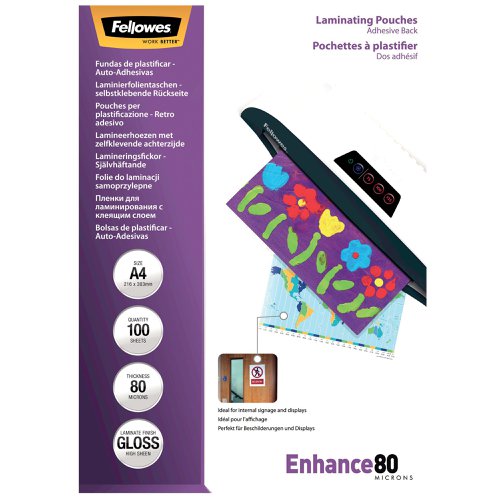
Fellowes Enhance80 Self Adhesive Laminating Pouch A4 160 Micron Total Gloss (Pack of 100) 53022
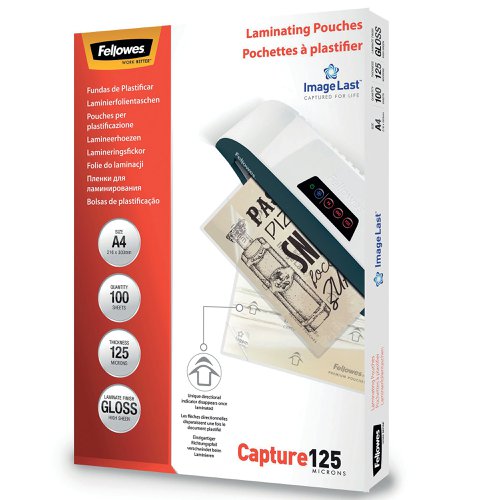
Fellowes Capture125 Laminating Pouch A4 250 Micron Total Thickness Gloss (Pack of 100) 5307401
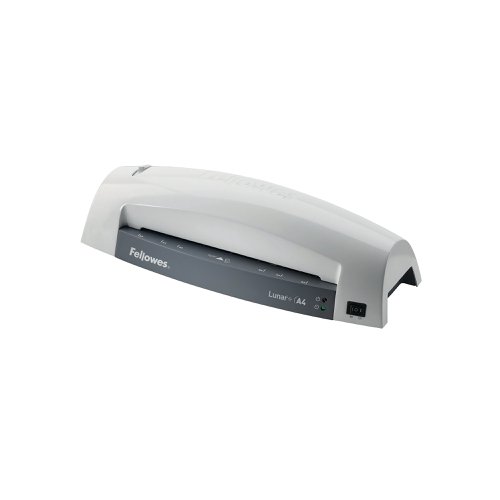
Fellowes Lunar A4 Laminator White 5715701
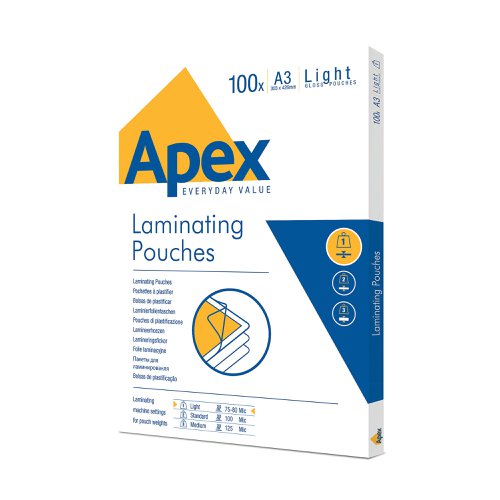
Fellowes Apex A3 Light Duty Laminating Pouches Clear (Pack of 100) 6001901
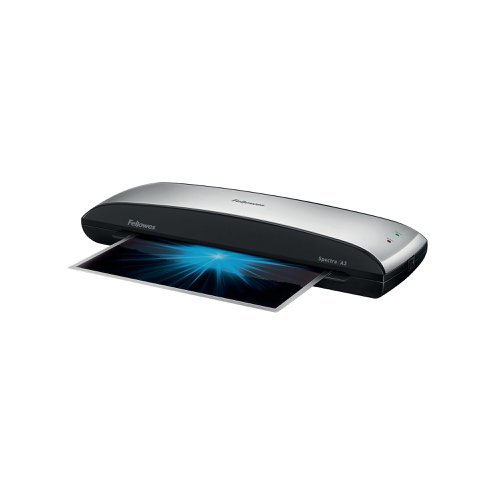
Fellowes Spectra A3 Laminator 5738401
Fellowes Admire EasyFold Laminating Pouch A3 160 Micron Total Thickness (Pack of 25) 5602001
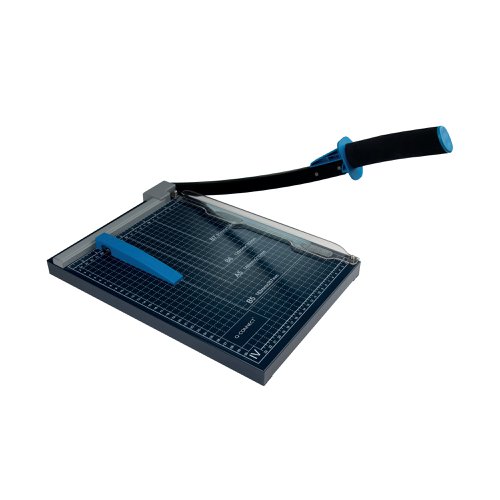
Q-Connect A4 Guillotine 320mm Cutting Length 10 Sheet Capacity KF11241
Avery A3 Office Guillotine (420mm Cutting Length 15 Sheet Capacity) GUA3
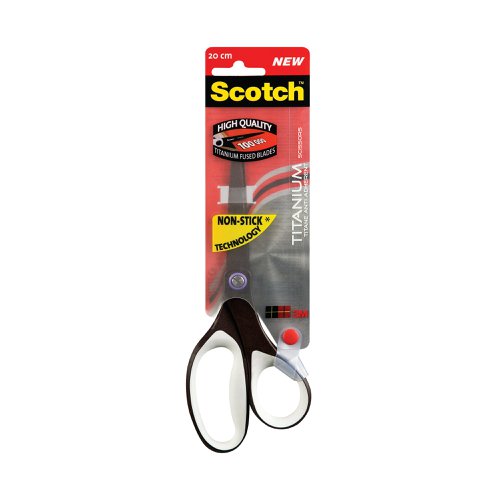
Scotch Titanium Non-Stick Scissors 200mm Black 7000034001
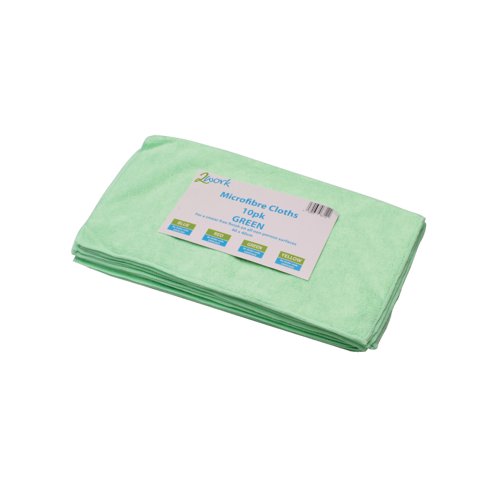
2Work Microfibre Cloth 400x400mm Green (Pack of 10) CNT01624
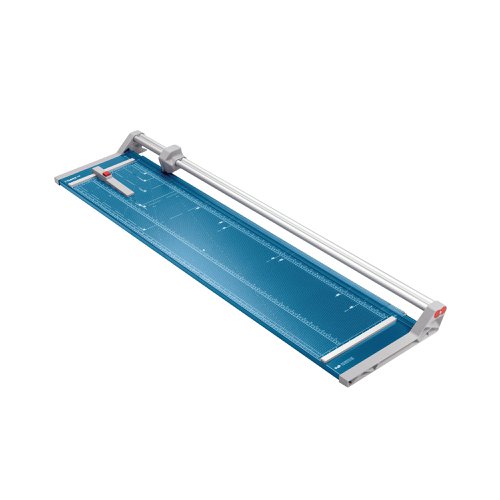
Dahle Professional Trimmer A0 DAH00558-15004
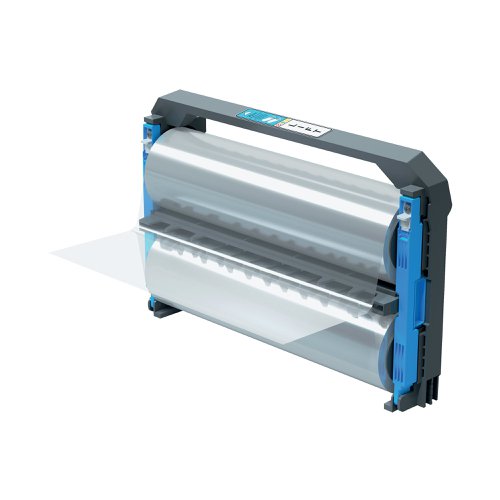
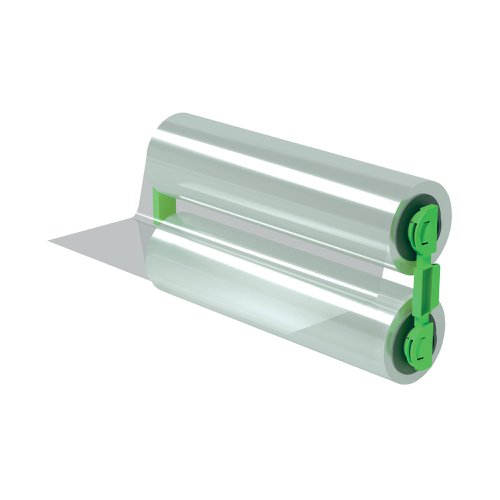
GBC Foton 30 Refillable Cartridge with 75 Micron Lamination Roll Gloss 4410023
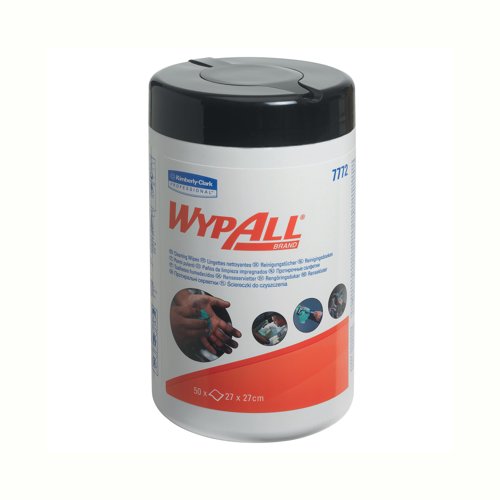
Wypall Multipurpose Cleaning Wipes 1-Ply Green x50 Pack of 6 7772
Q-Connect Rotary Trimmer A4 KF17011
GBC RollSeal Ultima 35 Ezload Roll Laminator 1701660
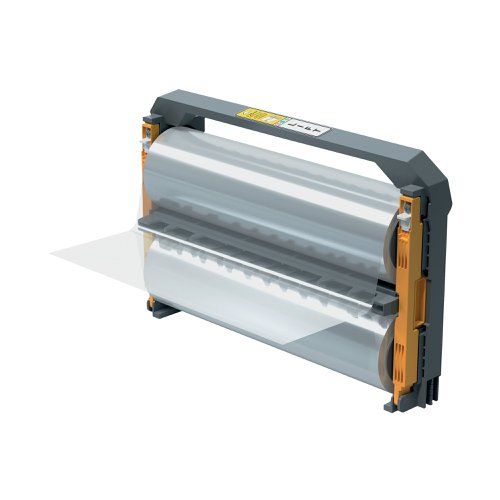
GBC Foton 30 Refillable Cartridge with 125 Micron Lamination Roll Gloss 4410025
GBC Foton 30 Refill 100 Micron Gloss Lamination Roll For Refillable Cartridge 4410027
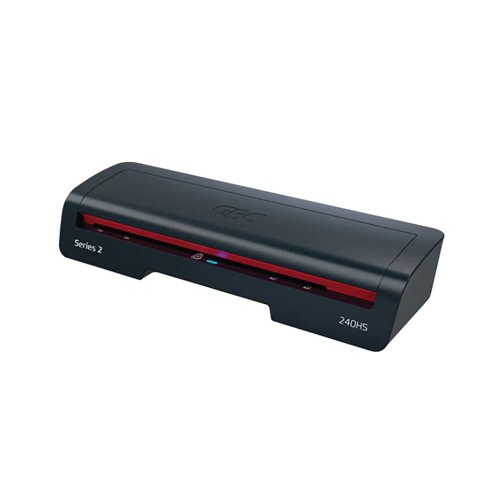
GBC 240HS Home Office A3 Laminator 4410069UK
Total 18 products
SEARCH ×